
ADB Warns of Asia Slowdown as Middle East Risks Rise; China Uses Fiscal-Financial Lever to Prop Up Demand
On April 10, 2026, the Asian Development Bank released its Asian Development Outlook report, warning that the ongoing conflict in the Middle East is weighing heavily on growth prospects for developing Asia and the Pacific.
ASIA,ECONOMY
Global N Press
4/10/20261 min read
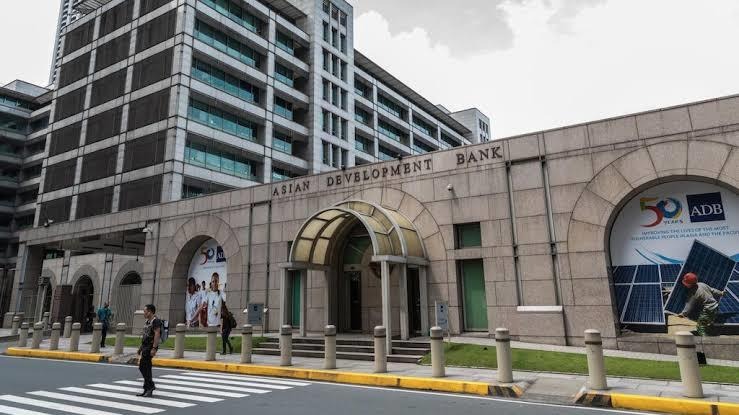

On April 10, 2026, the Asian Development Bank released its Asian Development Outlook report, warning that the ongoing conflict in the Middle East is weighing heavily on growth prospects for developing Asia and the Pacific. Under an “early stabilization scenario,” regional growth is projected to moderate from 5.4 percent in 2025 to 5.1 percent in both 2026 and 2027. Should the conflict persist into the third quarter of 2026, growth could decelerate further to 4.7 percent and 4.8 percent respectively, while inflation could surge from 3.0 percent in 2025 to 5.6 percent in 2026. ADB Chief Economist Albert Park cautioned that prolonged conflict could disrupt regional activity through higher energy prices, shipping disruptions, and heightened financial market volatility.
India‘s growth is forecast to slow from 7.6 percent in 2025 to 6.9 percent in 2026, while Pacific economies face a sharper deceleration from 4.2 percent to 3.4 percent. Meanwhile, the ASEAN+3 Macroeconomic Research Office projected on April 6 that regional growth would ease to 4.0 percent in 2026 from 4.3 percent in 2025, potentially falling to 3.7 percent under an escalating conflict scenario. The World Bank similarly downgraded East Asia’s 2026 growth forecast to 4.2 percent on April 8, with China, the region‘s largest economy, expected to slow from 5.0 percent to 4.2 percent.
In response to mounting external headwinds, Premier Li Qiang convened a symposium with economic experts and entrepreneurs on April 10, emphasizing the need to enhance the effectiveness of macro policies and deepen integration between advanced manufacturing and modern services. The government has already established a 100-billion-yuan fiscal-financial synergy fund to stimulate domestic demand, aiming to leverage trillions in credit through interest subsidies, guarantees, and risk compensation. On April 12, a second tranche of 62.5 billion yuan in ultra-long-term special treasury bonds was allocated to sustain trade-in programs for consumer goods.