OpenAI Integrates Web Search into ChatGPT, Challenging Traditional Search Paradigms
OpenAI has begun rolling out web search capabilities within ChatGPT, allowing users to query the internet directly and receive AI-generated answers accompanied by citations from sources.
BUSINESSES RESHAPING OUR WORLD
Global N Press
10/18/20241 min read
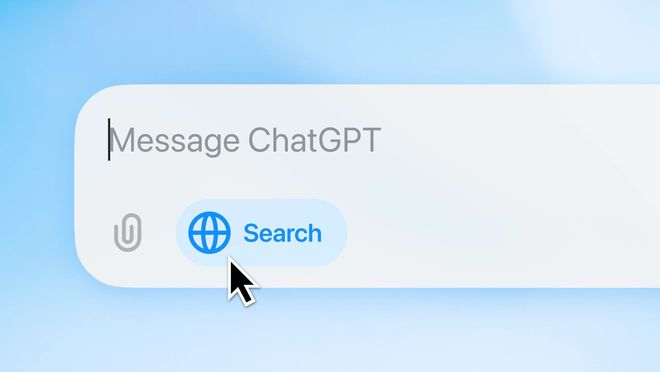

OpenAI has begun rolling out web search capabilities within ChatGPT, allowing users to query the internet directly and receive AI-generated answers accompanied by citations from sources. This feature, which leverages Microsoft's Bing for search results, presents a conversational summary of information drawn from multiple web pages, contrasting with the traditional list of ranked links.
The integration represents OpenAI's most significant foray into the core functionality of web search, directly challenging Google's long-standing dominance. Users can pose complex, open-ended questions and receive synthesized, structured responses as the AI automatically retrieves, evaluates, and summarizes web content.
Industry analysts note that this accelerates the industry-wide shift from a "query-to-links" to a "question-to-answer" paradigm. This transition poses a fundamental challenge to conventional search advertising models and compels technology firms to reimagine how information is discovered and commercialized.
For businesses, the technology points toward a future where employees increasingly depend on AI-curated knowledge streams. These systems could potentially integrate internal company data, public web content, and specialized tools into a single, unified interface, reducing reliance on manual search.
Meanwhile, regulators and content publishers are closely observing the rollout. Key concerns include how the AI handles copyright, ensures transparent source attribution, and mitigates potential biases, as AI-mediated search becomes a more prominent gateway to information.