Japanese premier’s Taiwan remarks spark regional security alarm—"Taiwan contingency" dubbed existential crisis
On November 13, 2025, Japanese Prime Minister Sanae Takaichi stated in parliament that a potential conflict over Taiwan—if it involved military force or deployment of warships—could be classified as a "survival-threat crisis" for Japan, thereby justifying collective self-defense under Japan’s security law.
ASIA,POLITICS
Global N Press
11/13/20251 min read
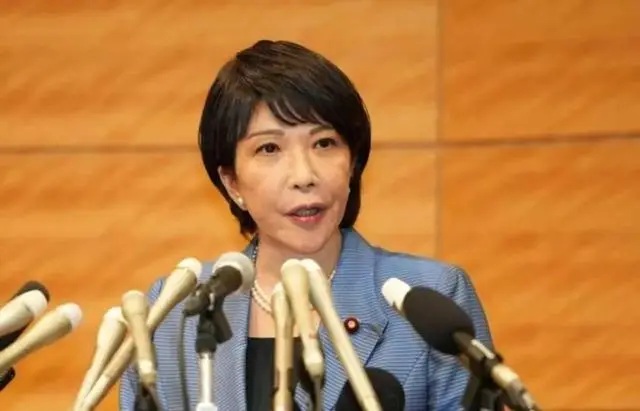

On November 13, 2025, Japanese Prime Minister Sanae Takaichi stated in parliament that a potential conflict over Taiwan—if it involved military force or deployment of warships—could be classified as a "survival-threat crisis" for Japan, thereby justifying collective self-defense under Japan’s security law. Beijing responded swiftly: the Chinese foreign ministry summoned Japan’s ambassador, issued a stern diplomatic protest, and urged Chinese citizens to refrain from traveling to Japan as a sign of disapproval, while state media condemned the remarks as reckless interference in China’s internal affairs.
Domestically in Japan, former premier Shigeru Ishiba and other senior politicians criticized the statement, warning it could destabilize regional security and undermine longstanding diplomatic norms. The controversy has provoked global concern over the security of the Taiwan Strait and the larger East Asia balance of power.