
NVIDIA Reports Quarterly Earnings, Data Center and AI Chip Businesses Maintain Growth
NVIDIA Corporation today announced its financial results for the quarter ended November 2025, marking another period of significant revenue growth led by its data center and AI chip segments.
BUSINESSES RESHAPING OUR WORLD
Global N Press
12/3/20251 min read
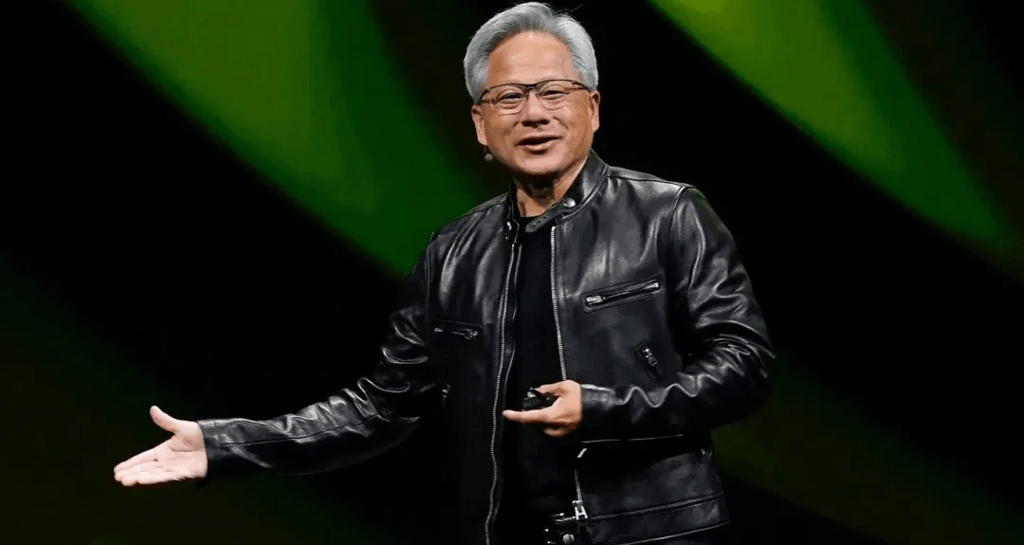

NVIDIA Corporation today announced its financial results for the quarter ended November 2025, marking another period of significant revenue growth led by its data center and AI chip segments. The company reported that robust demand from cloud service providers, major research institutions, and global enterprises continues to outpace supply, fueled primarily by the escalating computational needs for training and deploying generative artificial intelligence models.
In its earnings release, NVIDIA highlighted that the adoption of generative AI has moved beyond initial experimentation into broad-based enterprise deployment, driving sustained investment in AI infrastructure. This transition requires not only immense computing power for training large-scale models but also scalable and efficient infrastructure for running these models in production environments—a dynamic that directly benefits NVIDIA's data center platform.
To meet this accelerating demand, NVIDIA outlined plans to further expand its manufacturing capacity and semiconductor supply partnerships over the coming quarters. Additionally, the company intends to deepen collaborations across the AI ecosystem, including with cloud hyperscalers, system integrators, and enterprise software providers, to streamline the deployment of AI solutions and support next-generation AI research.
Financial analysts observing the earnings note that NVIDIA's continued performance reinforces its central role in the global AI infrastructure stack. The company's strategic focus on scaling capacity and fostering ecosystem partnerships appears aimed at maintaining its competitive edge amid rising market competition and evolving technological requirements in the fast-paced AI industry.