EU Foreign Ministers Clash Over Russia Strategy as Envoy Proposal Divides Bloc; Ukraine Accession Process Accelerates
On May 27-28, 2026, European Union foreign ministers gathered in Limassol, Cyprus, for an informal Gymnich meeting that laid bare the bloc‘s deepening strategic rift over how to approach future relations with Russia.
EUROPEAN UNION,POLITICS
Global N Press
5/28/20262 min read
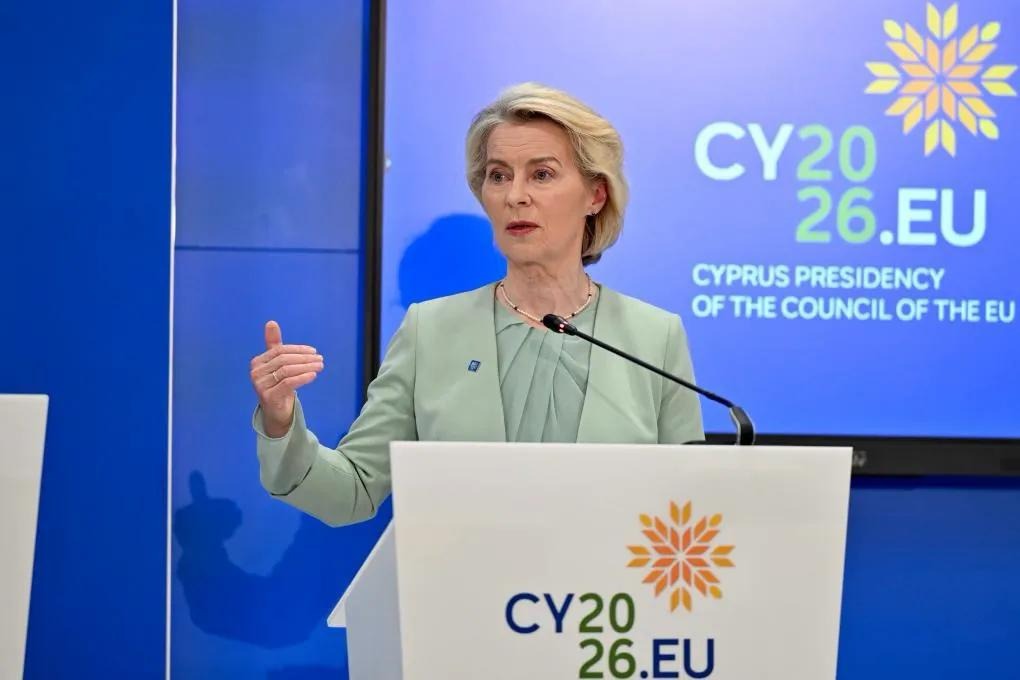
On May 27-28, 2026, European Union foreign ministers gathered in Limassol, Cyprus, for an informal Gymnich meeting that laid bare the bloc‘s deepening strategic rift over how to approach future relations with Russia. A central point of contention was whether to appoint a “special envoy for direct dialogue with Russia,” a proposal backed by France, Austria, Belgium, and Italy on the grounds that the prolonged war in Ukraine is steadily draining Europe’s economic resources and that diplomatic channels must eventually be opened.
Germany, Poland, Romania, the Baltic states, and Nordic countries opposed the idea, warning that Russia would exploit such an opening to stall negotiations and extract concessions, and expressing concern that premature European diplomacy could be interpreted as pressuring Ukraine into territorial compromises at a moment when Moscow continues to demand Kyiv abandon the Donbas region. The question of who would represent Europe proved equally divisive, with potential candidates ranging from former German Chancellor Angela Merkel to former Italian Prime Minister Mario Draghi and European Council President António Costa, yet no consensus coalesced around any name.
EU foreign policy chief Kaja Kallas sought to steer the discussion toward substance, outlining a vision for European demands that includes a ceasefire, a ban on Russian military presence in Moldova and Georgia, and a halt to cyberattacks, drone incursions, and disinformation campaigns targeting Europe. A senior European diplomat acknowledged that “support for Ukraine remains strong, but there is no unity on how to approach future relations with Russia.” The meeting unfolded as Ukrainian President Volodymyr Zelenskyy publicly urged Europe to play a more active diplomatic role, and the Kremlin indicated that President Vladimir Putin is open to negotiations with Europe. In a parallel development, European Commission President Ursula von der Leyen, in a phone call with Zelenskyy during the gathering, declared that “the coming weeks will be important to take decisive steps forward in the accession process.”
EU Enlargement Commissioner Marta Kos, speaking in Brussels on May 26, called on member states to open the first negotiation cluster for Ukraine‘s accession in June, with the remaining five clusters to follow in July. Adding further momentum, German Chancellor Friedrich Merz on May 21 proposed granting Ukraine a special “associate membership” status that would allow Ukrainian officials to participate in EU summits and ministerial meetings without voting rights, framing it as both an interim step toward full membership and a potential incentive for currently stalled peace negotiations. The proposal is expected to be discussed at the next EU leaders’ summit in Brussels on June 18-19.