EU Mum on Russia Demands as Lavrov Seeks Guarantees; Hungary Still Blocks Ukraine Loan
On April 11, 2026, Russian Foreign Minister Sergey Lavrov accused the European Union of discussing security guarantees solely for Ukraine while completely ignoring Russia’s own security demands, asserting that without guarantees for Moscow, the conflict cannot be resolved.
EUROPEAN UNION,POLITICS
Global N Press
4/11/20262 min read
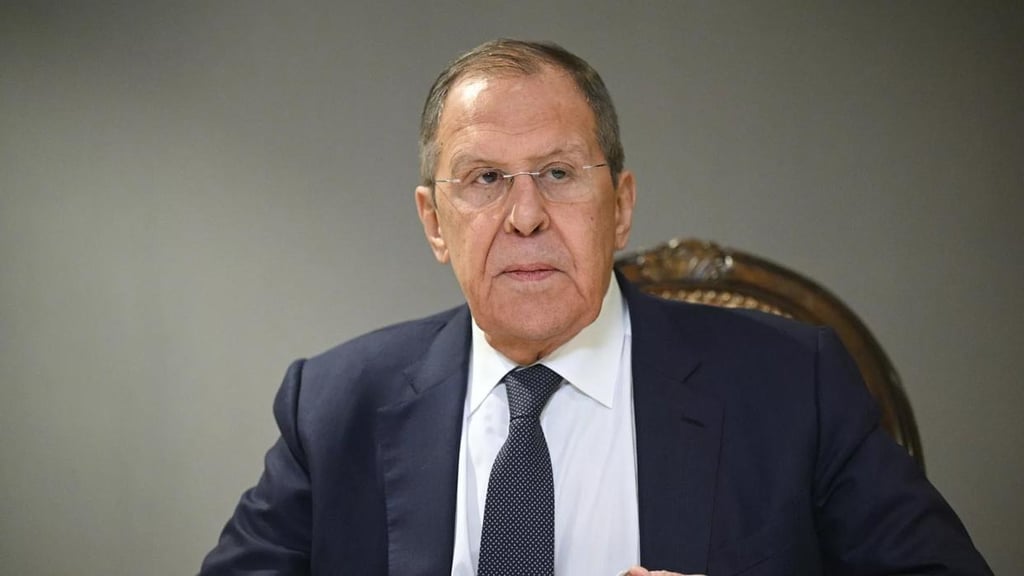

On April 11, 2026, Russian Foreign Minister Sergey Lavrov accused the European Union of discussing security guarantees solely for Ukraine while completely ignoring Russia’s own security demands, asserting that without guarantees for Moscow, the conflict cannot be resolved. Lavrov stated that any scenario involving the deployment of NATO member troops to Ukraine is “absolutely unacceptable” to Russia and could lead to a sharp escalation. Earlier in April, the 27 EU leaders gathered in Brussels for an emergency summit to discuss security guarantees for Ukraine and alternative support options amid the prospect of reduced U.S. involvement.
Discussions included appointing a special envoy to oversee negotiations, but the EU faced internal divisions, with Hungarian Prime Minister Viktor Orbán opposing further military aid and aligning himself with the U.S. push for a swift resolution. Diplomats have been working to draft a consensus-based statement, though if Hungary and Slovakia refuse to sign, the EU may proceed with a declaration backed by 25 or 26 members.
Meanwhile, on April 1, the European Commission adopted a package proposing the allocation of €45 billion to Ukraine in 2026, comprising €16.7 billion for state budget support and €28.3 billion for military, defense, and weapons production. However, this plan remains stalled due to Hungary‘s veto. A $90 billion two-year EU loan approved in late 2025 has also been blocked by Hungary, which demands the restoration of Russian oil supplies via the Druzhba pipeline as a precondition. Hungary and Slovakia currently benefit from exemptions to EU sanctions on Russian oil due to limited alternative supply options.
On April 7, EU leaders reiterated the urgent need for Russia to de-escalate tensions and threatened “massive consequences and severe cost” through sanctions coordinated with the United States and the United Kingdom. NATO Secretary General Jens Stoltenberg branded Russia the “aggressor” and stressed that the alliance would not compromise on Ukraine’s right to choose its own path. The standoff underscores the widening gap between the EU‘s support for Ukraine and Russia’s insistence on binding security arrangements, with the bloc‘s internal divisions further complicating efforts to forge a unified approach to ending the war.