
EU Summit Grapples with Middle East and Ukraine Crises as Internal Divisions Block 90 Billion Euro Aid Package
On March 19 and 20, 2026, EU leaders gathered in Brussels for a summit originally intended to focus on revitalizing Europe’s stagnant economy, but the agenda was quickly overshadowed by two external conflicts. The summit’s primary task was to unlock a 90 billion euro loan package deemed critical to keeping Kyiv’s finances operational, yet Hungary continued to block the package due to a dispute over the Druzhba oil pipeline.
EUROPEAN UNION,POLITICS
Global N Press
3/20/20261 min read
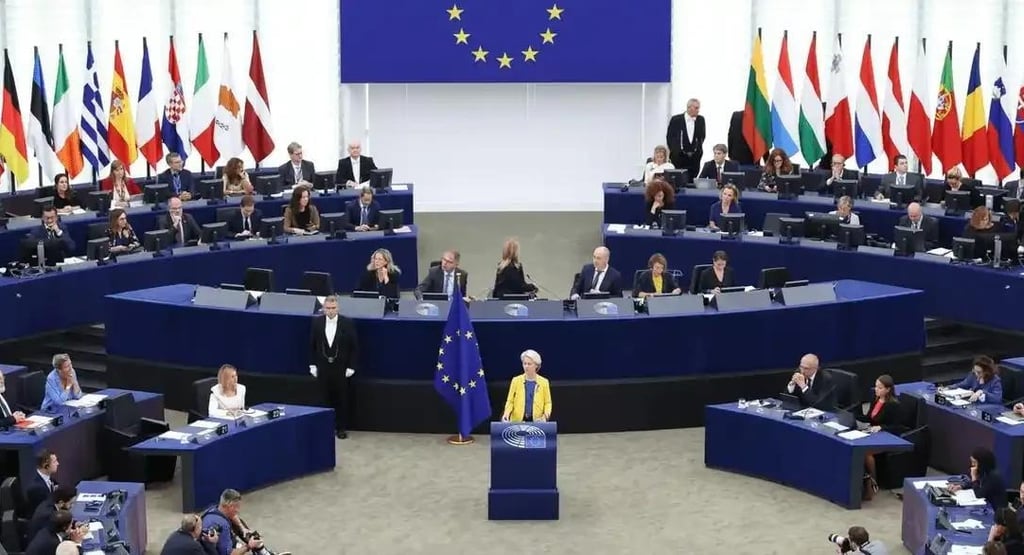

On March 19 and 20, 2026, EU leaders gathered in Brussels for a summit originally intended to focus on revitalizing Europe’s stagnant economy, but the agenda was quickly overshadowed by two external conflicts. The summit’s primary task was to unlock a 90 billion euro loan package deemed critical to keeping Kyiv’s finances operational, yet Hungary continued to block the package due to a dispute over the Druzhba oil pipeline. Speaking at an anti-war rally in Budapest on March 15, Hungarian Prime Minister Viktor Orban publicly accused Brussels of preparing for war with Russia, insisting that Budapest would not support any “pro-Ukraine” decisions until pipeline deliveries resume.
Meanwhile, Belgian Prime Minister Bart De Wever called on the EU to initiate negotiations with Russia to resolve the Ukraine conflict, warning that without action, peace terms would be dictated solely by the United States, resulting in a “bad deal” for European interests. The summit also addressed the situation in Iran and the impact of surging energy prices. European Commission President Ursula von der Leyen has proposed funding pipeline repairs and developing alternative supply routes for Hungary and Slovakia, which remain heavily dependent on Russian oil, but diplomats expressed growing frustration among member states, with German Chancellor Friedrich Merz urging leaders to quickly approve the Ukraine loan and impose new sanctions on Russia.