
EU Weighs Extending Countervailing Duties to Chinese Plug-in Hybrid Vehicles
The European Union is considering whether to extend its countervailing duty measures to Chinese-made plug-in hybrid electric vehicles, according to a June 21 report by German business newspaper Handelsblatt, which cited three people familiar with the matter.
EUROPEAN UNION,ECONOMY
Global N Press
6/22/20262 min read
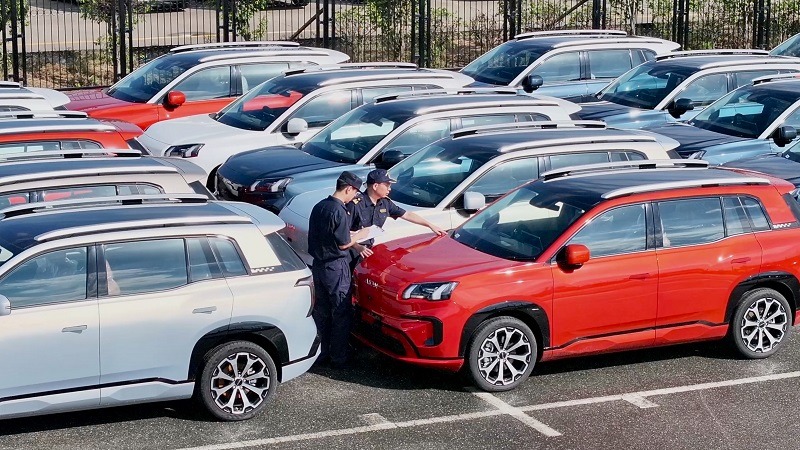

BRUSSELS, June 22, 2026 — The European Union is considering whether to extend its countervailing duty measures to Chinese-made plug-in hybrid electric vehicles (PHEVs), according to a June 21 report by German business newspaper Handelsblatt, which cited three people familiar with the matter.
If approved by a qualified majority of EU member states, the move would broaden the bloc’s existing duties on Chinese battery electric vehicles (BEVs) to include the growing PHEV segment.
Commission Reviewing Potential Expansion
According to the report, the European Commission has conducted preliminary assessments regarding a possible extension of duties to Chinese-made PHEVs and may begin consultations with member states.
The Commission has not publicly confirmed the report, and no formal proposal or implementation timetable has been announced.
Any additional duties would likely be applied on top of the EU’s existing 10% tariff on imported passenger vehicles, Handelsblatt reported.
Chinese automakers with significant PHEV exports to Europe, including BYD, Chery Automobile, and SAIC Motor, could be affected if the measures are ultimately adopted.
Follow-Up to Earlier EV Investigation
The reported discussions follow the European Union’s anti-subsidy investigation into Chinese electric vehicles, launched in 2023 and concluded in 2024.
Following the investigation, the European Commission determined that certain Chinese battery electric vehicle manufacturers had benefited from government support that, in the Commission’s assessment, distorted competition within the EU market. The bloc subsequently imposed additional duties on Chinese-made BEVs for a five-year period, while PHEVs were not included in the final measures.
Broader Trade Frictions
The reported proposal comes amid broader trade tensions between Brussels and Beijing in sectors related to clean technology and advanced manufacturing.
EU officials have stated that trade-defense measures are intended to safeguard fair competition and address market distortions. Chinese authorities, meanwhile, maintain that the competitiveness of Chinese automakers stems from technological innovation, manufacturing efficiency, and integrated supply chains rather than unfair subsidies.
Should the European Union decide to extend countervailing duties to Chinese-made PHEVs, the move could affect automotive trade flows between China and Europe and influence future investment decisions across the sector.
No formal proposal has been announced, and discussions reported by Handelsblatt remain at a preliminary stage.