
Geneva Talks Show Limited Progress, but Europe’s Exclusion Deepens Transatlantic Strains
A high-level, closed-door meeting between Russian, U.S., and Ukrainian officials concluded here on February 18, producing what the White House described as “meaningful progress,” while also reigniting debate over Europe’s absence from the negotiating table.
EUROPEAN UNION,POLITICS
Global N Press
2/20/20262 min read
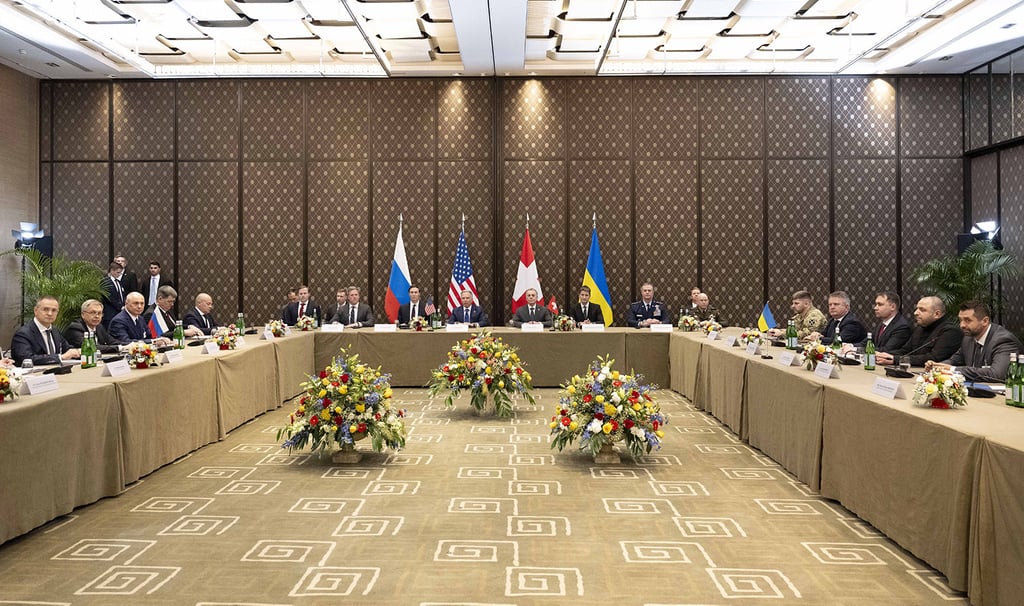

GENEVA — A high-level, closed-door meeting between Russian, U.S., and Ukrainian officials concluded here on February 18, producing what the White House described as “meaningful progress,” while also reigniting debate over Europe’s absence from the negotiating table.
Talks Held Against Backdrop of Ongoing Hostilities
The two-day dialogue, held in Switzerland, marked one of the most recent attempts at U.S.-facilitated diplomacy nearly four years into the full-scale war. U.S. officials have indicated a preference for achieving tangible progress by mid-year, though significant differences remain over territorial arrangements and future security guarantees.
The diplomatic talks unfolded amid continued fighting. On February 16, Russian Chief of the General Staff Valery Gerasimov said Russian forces had taken control of several settlements in northeastern Ukraine, citing Popovka and Sidorovka in the Sumy region and Chugunivka in Kharkiv region. Ukraine has not confirmed these claims, and independent verification remains difficult due to battlefield conditions. Ukrainian forces continue to conduct strikes on Russian positions and supply lines, underscoring the close linkage between developments on the battlefield and diplomatic efforts.
‘Difficult but Businesslike’ Talks Show Limited Progress
The negotiations covered military, political, and humanitarian issues. In a joint readout, the parties acknowledged the complexity of the discussions and agreed to maintain contact through follow-up channels.
White House Press Secretary Karoline Leavitt said the talks had produced “meaningful progress” and confirmed that discussions would continue. She also reiterated that the United States would maintain arms transfers to NATO allies for defensive purposes.
Ukrainian presidential adviser Andriy Budanov described the talks as “difficult but very important,” reaffirming Kyiv’s commitment to the diplomatic process. Ukrainian sources said Russia continued to press for far-reaching territorial concessions, including demands related to eastern regions of Ukraine. While fundamental political differences remain, technical working groups reportedly made limited progress on procedural matters.
Kremlin spokesman Dmitry Peskov said the shorter final session did not reflect a breakdown in talks and confirmed that Russia’s lead negotiator, Vladimir Medinsky, would brief President Vladimir Putin. Medinsky described the atmosphere as “difficult but businesslike.”
European Allies Left Outside the Format
The trilateral format drew criticism in several European capitals. Officials from France, the United Kingdom, Germany, and Italy were present in Geneva for parallel consultations but were not included in the core negotiations, according to diplomats familiar with the arrangements.
Ukrainian presidential adviser Serhiy Leshchenko said European officials maintained informal contact with the delegations but did not participate in either trilateral or bilateral sessions.
Moscow defended the format. On February 19, Peskov said Russia saw little value in European participation at this stage, arguing that Europe’s current position was aligned with continued military support for Ukraine rather than mediation. Some European analysts have warned that the exclusion risks marginalizing Europe in a process that could reshape the continent’s security architecture.
Fighting Continues as Diplomacy Proceeds
As talks took place in Geneva, military operations continued. Gerasimov said Russian forces were expanding the use of drones and conducting winter offensives. The Russian Defense Ministry reported strikes on Ukrainian energy facilities, fuel depots, and troop positions. Ukraine’s General Staff said more than 200 combat engagements were recorded within a 24-hour period, including fighting near Kostiantynivka.
The parallel tracks of sustained combat and fragile diplomacy underscore a central challenge of the conflict: developments on the battlefield continue to shape negotiating positions. Whether the progress cited in Geneva can be sustained amid ongoing hostilities remains uncertain.