
Hormuz Crisis Devastates Middle East Economies as Gulf Markets Diverge, Dubai Plunges 17%
Since the US-Israeli military campaign against Iran began on February 28, 2026, shipping through the Strait of Hormuz has come to a near-standstill, delivering a severe blow to the Middle Eastern economy.
MIDDLE EAST,ECONOMY
Global N Press
3/14/20261 min read
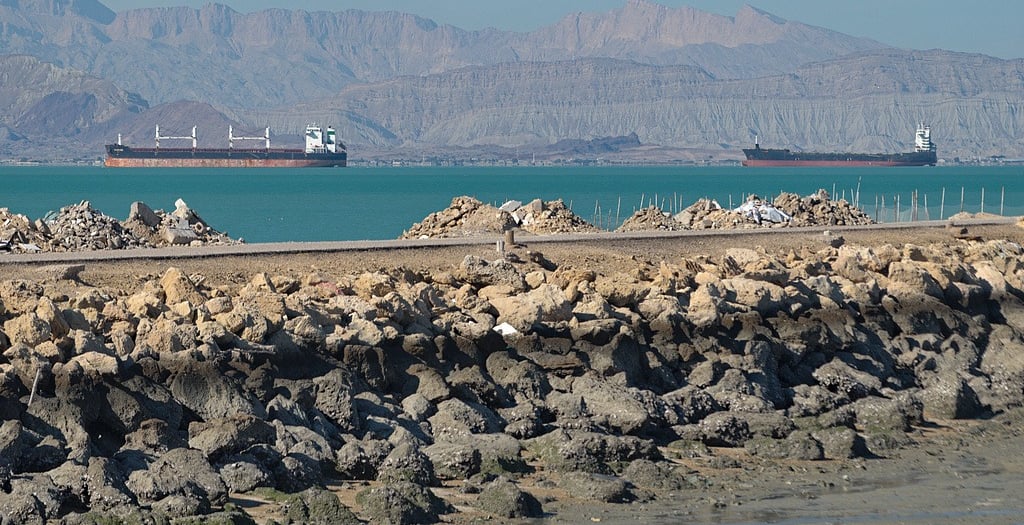

Since the US-Israeli military campaign against Iran began on February 28, 2026, shipping through the Strait of Hormuz has come to a near-standstill, delivering a severe blow to the Middle Eastern economy. According to the International Energy Agency, approximately 20 million barrels per day of crude oil and refined product shipments have been disrupted, including about 15 million barrels per day of crude oil, forcing producers including Saudi Arabia, Iraq, and the UAE to cut oil field output, with production reductions already reaching an estimated 6.2 to 6.9 million barrels per day. Against the backdrop of extreme energy market volatility, Gulf capital markets have shown significant divergence.
As of March 13, the Dubai Financial Market General Index had fallen approximately 17% since the outbreak of the conflict, while Saudi Arabia’s Tadawul All Share Index rose about 1.7% over the same period. Analysts noted that the UAE economy, with its greater dependence on international trade and tourism and higher foreign ownership in its stock market, has been more severely impacted, while Saudi Arabia has achieved its outperformance supported by heavy buying of local stocks by domestic institutional investors, with Saudi Aramco’s share price rising 7.6% over the same period.
Meanwhile, Dubai crude oil prices surged to a historic high of nearly $170 per barrel, temporarily surpassing Brent crude to become the world’s most expensive oil. In response to this anomalous situation, Asian refiners have begun switching their pricing benchmarks for US crude purchases from Dubai to ICE Brent, and the Japanese government has issued administrative guidance requiring domestic wholesalers to adopt the Brent benchmark for gasoline pricing to curb price spikes.