
Hormuz Shipping Disruptions Raise Concerns Over Food Supply Chains and Gulf Economic Outlook
Persistent Hormuz shipping disruptions raise global concern among policymakers, analysts, and international bodies over risks to food supply chains, energy markets, and Gulf growth.
MIDDLE EAST,ECONOMY
Global N Press
5/30/20263 min read
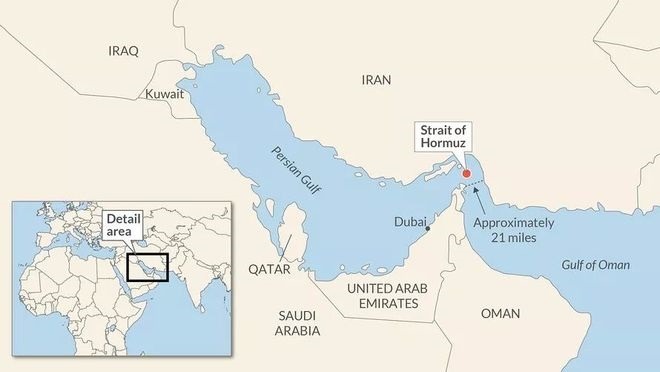
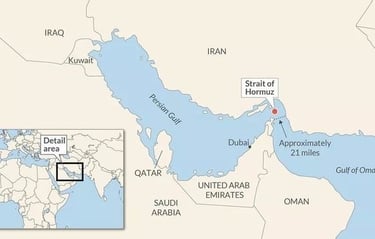
DUBAI/LONDON, May 29, 2026 — Persistent shipping disruptions at the Strait of Hormuz have sparked widespread concerns among policymakers, energy analysts and international bodies over risks to global food supply chains, energy markets and economic growth across Gulf nations.
As one of the world’s most critical maritime chokepoints, the strait handles a large portion of global crude oil and liquefied natural gas exports. Recent vessel delays and heightened maritime security risks have amplified volatility across shipping and commodity markets.
Food Supply Chains Face Mounting Cost Pressures
In a May 20 statement, the Food and Agriculture Organization of the United Nations (FAO) warned that prolonged shipping disruptions would push up costs for fuel, fertilisers and freight, adding strains to global food supply chains.
Higher transport fees and tighter supplies of farm inputs are likely to drive food inflation in the months ahead. The FAO Food Price Index has climbed for three consecutive months.
Máximo Torero, FAO Chief Economist, stressed that coordinated global efforts are essential to stabilise agricultural logistics and ease market volatility.
“Upcoming decisions on fertiliser distribution, agricultural financing and trade logistics will be pivotal,” Torero noted in the statement.
The World Bank echoed the warning in its latest economic update, pointing out that ongoing maritime disruptions would keep energy and fertiliser costs elevated. The World Food Programme (WFP) also cautioned that rising transport and food prices could exacerbate food insecurity and humanitarian strains in vulnerable regions.
Energy Markets Closely Monitor Vessel Movements
Energy traders and shipping firms are tracking tanker passages through the strait closely, amid climbing insurance premiums and security-related operational costs.
Fatih Birol, Executive Director of the International Energy Agency (IEA), said on May 22 that sustained disruptions could tighten global oil supplies this summer.
Tracking agencies have recorded volatile crude export volumes via the strait over recent weeks, with figures varying across different data providers.
Released on May 28, the IEA’s World Energy Investment 2026 report forecast that upstream oil investment would drop for a third straight year despite relatively steady crude prices.
“Energy security concerns remain elevated throughout the sector,” Birol said. He added that investment continues to flow into power grids, energy storage, renewables, nuclear power and low-carbon fuels.
The IEA estimated total global energy investment will see a moderate rise to around $3.4 trillion in 2026.
Regional analysts and marine insurers expect prolonged instability to accelerate Gulf oil producers’ push to expand alternative export infrastructure, including cross-country pipelines and shipping routes bypassing the Hormuz Strait.
Gulf Economies Weigh Spillover Impacts
Gulf governments are assessing the economic fallout from subdued energy exports and heightened market volatility.
Saudi Arabia’s economy grew 2.8% year-on-year in the first quarter of 2026, while its oil sector contracted by 7.2%, according to preliminary official data. The kingdom reported a Q1 fiscal deficit of 125.7 billion riyals ($33.5 billion) on May 18, attributed to lower oil revenue and increased public spending.
Saudi Aramco posted an adjusted net profit of $33.59 billion for the quarter. Analysts highlighted the growing importance of the company’s East-West Pipeline, which links oil production hubs to the Red Sea, amid shipping uncertainties at the Hormuz Strait.
The International Monetary Fund (IMF) has downgraded its 2026 growth forecast for Gulf Cooperation Council (GCC) economies, citing weakening oil market conditions and rising geopolitical risks.
In a May 26 research note, Rabobank analysts projected full recovery of shipping operations could take months due to extra inspections and stricter maritime security protocols. Other economists held a more upbeat view, arguing Gulf states’ substantial sovereign reserves and existing pipeline networks will cushion near-term disruptions. Oxford Economics made the same point in a May 27 report, stating such buffers will limit broader regional economic damage.
Uncertainty Clouds Long-Term Investment Prospects
Lingering doubts over shipping operations and regional security have complicated long-term investment planning across manufacturing, technology and energy sectors.
Several companies are adjusting project timelines over worries about rising transport costs and fragile supply chains, though no major Gulf investment projects had been publicly cancelled as of late May.
Analysts remain divided over how long and severe the disruptions will be. Market participants said developments in maritime security and regional diplomacy will largely determine the ultimate impact on global food, shipping and energy markets.