
IMF Upgrades Russia’s Growth Forecast Amid Oil Boom as Central Bank Cuts Rates Again but Warns of Global Inflation
On April 14, 2026, the IMF revised up Russia’s 2026 GDP growth forecast by 0.3 percentage points from January, attributing the upgrade to surging commodity prices, and positioning Russia among the world’s ten fastest-growing economies.
RUSSIA,ECONOMY
Global N Press
4/24/20261 min read
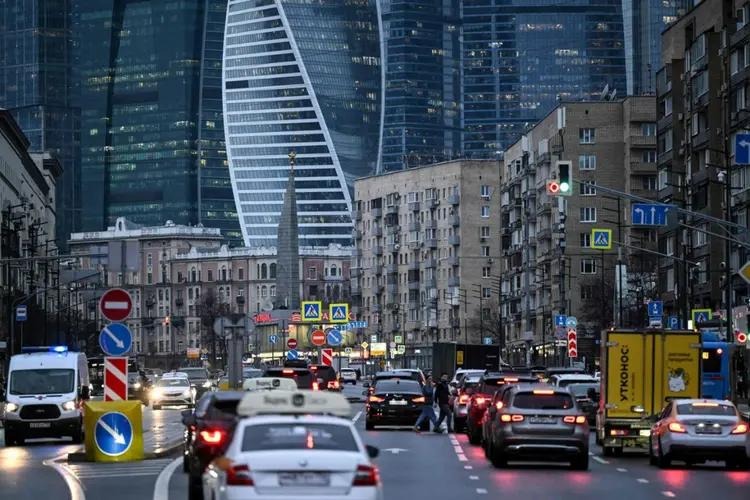

In April 2026, the Russian economy presented a contradictory picture shaped by conflicting forces. On April 14, the International Monetary Fund released its latest World Economic Outlook, upgrading Russia’s 2026 GDP growth forecast by 0.3 percentage points from its January estimate, driven primarily by rising international commodity prices, placing Russia among the world’s ten fastest-growing economies in various institutional rankings.
On April 24, however, Bank of Russia Governor Elvira Nabiullina warned following a board meeting that the baseline scenario of the Iran war would lead to slower global economic growth, an across-the-board increase in logistics and energy costs, accelerated global inflation, and higher interest rates worldwide, cautioning that a prolonged Middle East conflict could inflict costs on the Russian economy that outweigh the benefits of increased exports and a stronger ruble. Earlier, at its March 20 meeting, the central bank had cut the key interest rate for the seventh consecutive time, lowering it from 15.5 percent to 15 percent effective March 23, while simultaneously setting the 2026 inflation forecast at between 4.5 and 5.5 percent and acknowledging that external uncertainties had “increased significantly.”
Data from the International Energy Agency showed that Russia’s daily exports of crude oil and petroleum products climbed to 7.13 million barrels in March, expanding 4.7 percent month-on-month, with total export revenues nearly doubling to $19.04 billion. Yet the Russian Finance Ministry simultaneously reported a first-quarter budget deficit of 4.58 trillion rubles, equivalent to 1.9 percent of GDP, leaving policymakers grappling with a complex trade-off between a high-price oil windfall, deep structural fiscal pressures, and persistent Ukrainian drone strikes against the country’s energy infrastructure.