
Iran and US Hold Indirect Talks in Oman, Agree to Continue Dialogue Amid Deep Divisions
On February 6, 2026, Iran and the United States held indirect talks in Muscat, Oman, with Omani Foreign Minister serving as mediator, marking a rare high-level contact between the two adversaries in recent years. The US delegation included Presidential Envoy Steve Witkoff and Jared Kushner, with CENTCOM Commander participating as a member; Iran's delegation was led by Foreign Minister Abbas Araghchi.
MIDDLE EAST,POLITICS
Global N Press
2/6/20261 min read
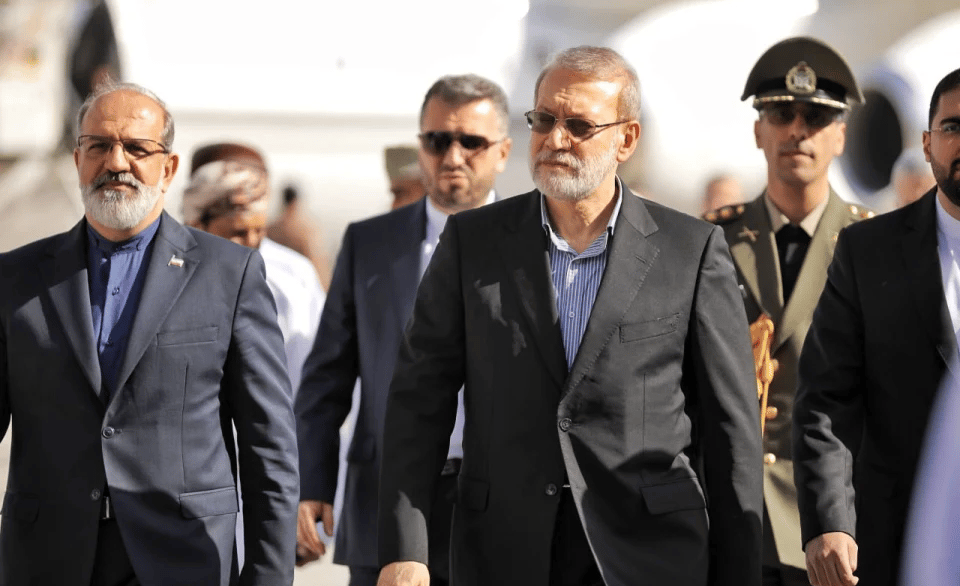

On February 6, 2026, Iran and the United States held indirect talks in Muscat, Oman, with Omani Foreign Minister serving as mediator, marking a rare high-level contact between the two adversaries in recent years. The US delegation included Presidential Envoy Steve Witkoff and Jared Kushner, with CENTCOM Commander participating as a member; Iran's delegation was led by Foreign Minister Abbas Araghchi. Following the talks, both sides signaled willingness to continue dialogue, agreeing to meet again next week. Iran described the talks as having a good start but stressed that avoiding threats and pressure is a prerequisite for any negotiation. US President Donald Trump called the talks "very good" but reiterated that Iran cannot possess nuclear weapons, warning of "very severe consequences" if no deal is reached.
Meanwhile, the US maintained military pressure, imposing new sanctions on entities linked to Iranian oil trade and deploying the USS Abraham Lincoln carrier strike group to the Middle East; Iran showcased underground missile facilities featuring Kheibar Shekan-4 ballistic missiles. Analysts note that deep divisions remain over Iran's nuclear capabilities, missile program, and regional influence, with both sides lacking mutual trust. The talks represent tactical de-escalation rather than strategic shift, and the Middle East "war alert" has not been lifted.