Kevin Warsh Confirmed by Senate as Next Fed Chair, Succeeding Powell Amid Intensifying Inflation Challenges
On May 13, 2026, the United States Senate voted 54 to 45 to confirm Kevin Warsh as the next Chair of the Federal Reserve, making the 56-year-old lawyer and financier the head of the world‘s most influential central bank at a moment of mounting inflationary pressure and heightened political scrutiny.
UNITED STATES,ECONOMY
Global N Press
5/15/20262 min read
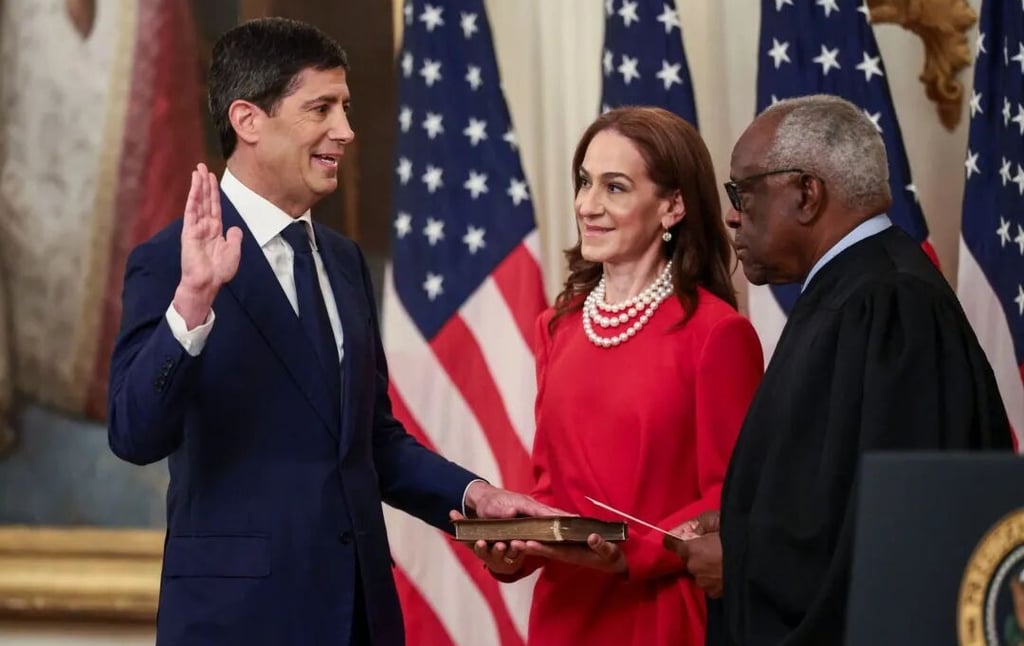
On May 13, 2026, the United States Senate voted 54 to 45 to confirm Kevin Warsh as the next Chair of the Federal Reserve, making the 56-year-old lawyer and financier the head of the world‘s most influential central bank at a moment of mounting inflationary pressure and heightened political scrutiny. The confirmation vote was the most partisan in history for a Fed chair, with Senator John Fetterman of Pennsylvania as the only Democrat joining the Republican majority. One day earlier, on May 12, the Senate confirmed Warsh to a new 14-year term on the Fed’s Board of Governors. Warsh officially takes over on May 15, succeeding Jerome Powell, whose four-year term as chair expires, and is expected to preside over the Federal Open Market Committee‘s next meeting on June 16-17.
Warsh inherits a central bank grappling with the most challenging inflation environment in years. On May 12, the Labor Department reported that the Consumer Price Index rose 0.6 percent in April, pushing the annual rate to 3.8 percent—the highest in three years—while core CPI rose 0.4 percent month-over-month and 2.8 percent year-over-year. The Producer Price Index surged 6 percent annually in April, the fastest pace since December 2022. The Cleveland Federal Reserve estimates that annual inflation could reach 4.2 percent in May as the conflict in the Middle East keeps oil and gasoline prices elevated. The Fed held its benchmark policy rate at 3.50 to 3.75 percent in April, but financial markets now price in no rate cuts for the remainder of 2026, with a rate hike possible as soon as January 2027.
Warsh’s immediate challenge will be establishing his credibility as an independent chair. During his confirmation hearing, Senate Democrats sought to brand him as Trump‘s “sock puppet,” while the departing Powell chose to remain on the Board of Governors until 2028, stating that the sustained political pressure campaign against the central bank left him no choice but to stay, warning that “these attacks are battering the institution and putting at risk the ability to conduct monetary policy without taking into consideration political factors.” Warsh, who previously served as a Fed governor from 2006 to 2011, has already signaled plans for changes to the Fed’s portfolio of government bonds and mortgage-backed securities, as well as its economic assessment framework and forward communication strategy, leaving markets and policymakers alike awaiting the new chair‘s first moves.