
Middle East Conflict Rattles Global Energy Markets, Oil Surge Raises Stagflation Concerns
Escalating tensions involving the United States, Israel, and Iran have unsettled global energy markets this week, pushing Brent crude prices above $80 per barrel and raising renewed concerns about inflationary pressures in major economies.
MIDDLE EAST,ECONOMY
Global N Press
3/7/20262 min read

LONDON/NEW YORK, Mar 7, 2026
Energy Markets React to Rising Tensions
Escalating tensions involving the United States, Israel, and Iran have unsettled global energy markets this week, pushing Brent crude prices above $80 per barrel and raising renewed concerns about inflationary pressures in major economies.
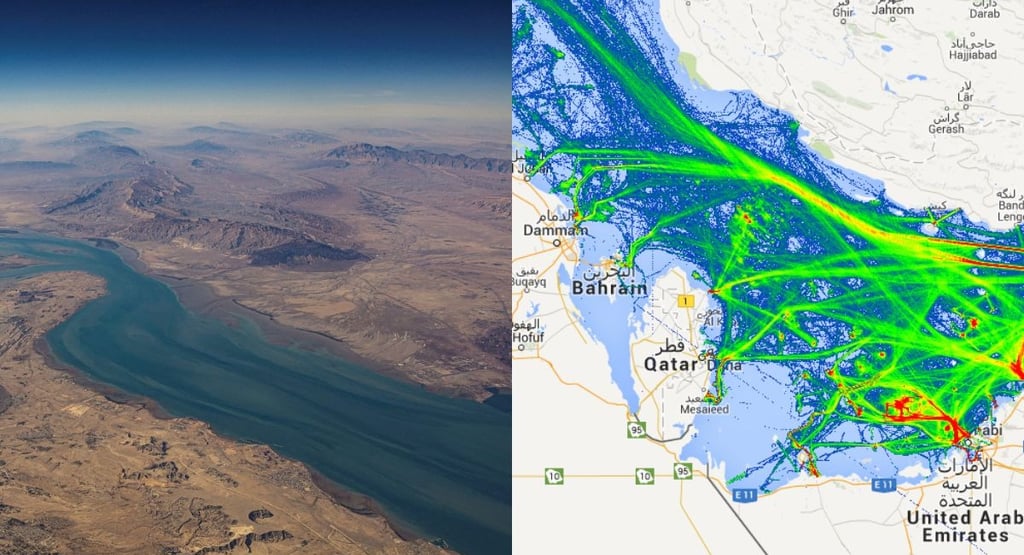
Market volatility intensified following unconfirmed reports of military strikes and amid heightened security risks around key energy infrastructure in the Persian Gulf region. Traders and analysts are closely monitoring developments near the Strait of Hormuz, a strategic maritime corridor through which roughly one-fifth of global seaborne oil shipments pass.
While shipping has not been fully halted, fears of potential disruption have already driven a sharp reaction in energy markets.
Oil and Gas Prices Climb
Between March 1 and March 7, Brent crude futures climbed roughly 14 percent, crossing the $80-per-barrel threshold. European natural gas markets also experienced significant volatility, with benchmark gas prices jumping more than 50 percent during the same period.
Energy analysts say that a prolonged disruption to shipping routes in the Gulf could push oil prices toward or above $100 per barrel, an event that, if realized, would represent one of the most significant supply shocks in recent years.
Central Banks Face Renewed Inflation Risks
The surge in energy prices comes at a sensitive moment for global monetary policy. Many central banks had been preparing to ease interest rates following a period of aggressive tightening aimed at curbing inflation.
Research firm Capital Economics estimates that oil prices rising to $100 per barrel could add approximately 0.6 to 0.7 percentage points to global headline inflation, complicating efforts to return inflation to target levels.
Officials at the European Central Bank have warned that a prolonged geopolitical crisis could create a stagflationary environment in the eurozone, with higher energy costs weighing on economic growth while pushing prices upward.
Financial institutions have begun adjusting their forecasts accordingly. Morgan Stanley, for example, recently revised its outlook for European Central Bank policy, reducing its expectation for interest rate cuts in 2026.
Growth Concerns Weigh on Markets
In the United States, economists are also assessing the potential impact of higher energy costs on growth.
Mark Zandi, Chief Economist at Moody’s Analytics, noted that historically every $10 increase in oil prices can reduce U.S. real GDP growth by roughly 0.1 percentage points.
Rising fuel costs have already begun to affect consumers. According to data from the American Automobile Association (AAA), the average U.S. gasoline price increased about 7.5 percent over the past week.
The uncertainty surrounding the conflict has also triggered volatility in global equity markets. South Korea’s KOSPI index, which is highly sensitive to global trade cycles, fell sharply during the week, at one point prompting market circuit breakers. Major European stock indices also declined as investors moved toward traditional safe-haven assets such as the U.S. dollar and gold.
Financial Stability Risks Under Watch
Credit rating agencies are monitoring the situation closely for potential spillover effects into global financial markets.
Fitch Ratings warned that a prolonged disruption to energy flows through the Strait of Hormuz could sustain elevated energy prices and deepen risk aversion among investors, potentially widening credit spreads in high-yield debt markets.
Moody’s issued a similar warning, noting that extended instability in the region could generate broader financial market stress, particularly in emerging markets and energy-importing economies.
Uncertainty Remains the Key Variable
For now, economists and market participants say the ultimate economic impact will depend largely on how long tensions persist.
A rapid de-escalation could allow energy markets to stabilize and limit broader economic fallout. However, a prolonged confrontation in one of the world’s most critical energy corridors could add further strain to a global economy already facing slower growth and fragile supply chains.