
Middle East Nations Urge Diplomacy as U.S.-Iran Military Standoff Escalates
In late January 2026, tensions in the Middle East spiked as U.S. President Donald Trump threatened military action against Iran and deployed a carrier strike group to the region. Iran responded by declaring its readiness for war and promising an "unprecedented" response to any attack.
MIDDLE EAST,POLITICS
Global N Press
1/31/20261 min read
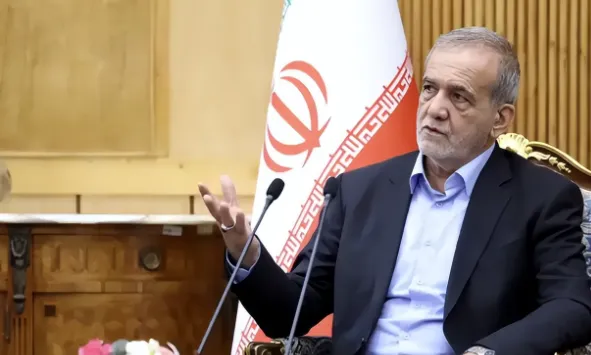

In late January 2026, tensions in the Middle East spiked as U.S. President Donald Trump threatened military action against Iran and deployed a carrier strike group to the region. Iran responded by declaring its readiness for war and promising an "unprecedented" response to any attack. Fearing a catastrophic regional spillover, key Middle Eastern states launched a concerted diplomatic push to de-escalate the crisis. Saudi Arabia and the United Arab Emirates explicitly stated they would not allow their territory to be used for military action against Iran.
The foreign ministers of Egypt, Qatar, and Turkey held urgent calls with both sides, advocating for immediate dialogue. Turkish Foreign Minister Hakan Fidan proposed a "phased" approach to Washington, warning that military confrontation would only destabilize the entire region. Analysts note that regional powers are united by the fear that a conflict would disrupt stability, trigger severe economic consequences, and endanger vital global energy routes. This crisis, driven by an external power and a regional rival, has positioned Middle Eastern nations as crucial mediators, highlighting a collective desire for strategic autonomy and to avoid becoming a proxy battlefield.