
NPT Review Conference Opens at UN Headquarters as Guterres Warns Global Arms Control System Is “on Life Support”
On April 27, 2026, the 11th Review Conference of the Parties to the Treaty on the Non-Proliferation of Nuclear Weapons (NPT) opened at the United Nations Headquarters in New York and is scheduled to run through May 22.
UNITED NATIONS,POLITICS
Global N Press
4/27/20261 min read
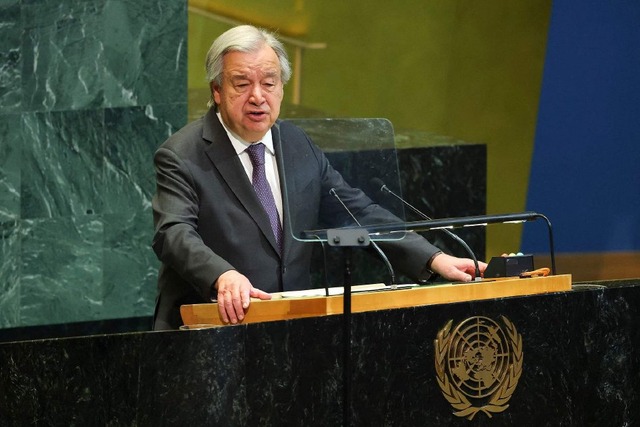

On April 27, 2026, the 11th Review Conference of the Parties to the Treaty on the Non-Proliferation of Nuclear Weapons (NPT) opened at the United Nations Headquarters in New York and is scheduled to run through May 22. UN Secretary-General António Guterres delivered a stark warning in his opening address, declaring that “nuclear sabers are rattling once again, distrust is running rampant, hard-won norms are unraveling, and arms control is on life support.” He noted that global nuclear warhead stockpiles have begun to rise for the first time in decades, nuclear testing has re-entered the agenda, and some governments are openly discussing acquiring such weapons, accusing humanity of having fallen into “collective amnesia” about the horrors of the nuclear age. Guterres cited data showing that global military expenditures surged to $2.7 trillion last year—13 times the total of global development assistance.
During the opening session, U.S. and Iranian representatives clashed fiercely over the appointment of the conference’s vice-presidents, with Washington accusing Tehran of “lying and obfuscating” about its nuclear activities and Tehran retorting that the United States, as the only country to have ever used nuclear weapons, has no standing to act as an “arbiter” of non-proliferation. The conference marks the first gathering of all 191 state parties to assess treaty implementation since the 2022 Review Conference failed to produce a substantive outcome document and is widely viewed as a defining moment for the future of multilateral nuclear arms control.