
Oil Prices Whipsaw on Mideast Uncertainty; Saudi Cuts Official Selling Prices to Asia for Fourth Straight Month
International crude oil prices traded in a range-bound pattern during the week of February 5-11, 2026, with WTI weekly average edging down 0.41% to $63.96 per barrel, driven by conflicting signals from Middle East geopolitical uncertainty following Iran-US talks in Oman.
MIDDLE EAST,ECONOMY
Global N Press
2/11/20261 min read

International crude oil prices traded in a range-bound pattern during the week of February 5-11, 2026, with WTI weekly average edging down 0.41% to $63.96 per barrel, driven by conflicting signals from Middle East geopolitical uncertainty following Iran-US talks in Oman. Market concerns over potential supply disruptions were offset by cautious anticipation regarding the prospects for nuclear negotiations. The US tightened sanctions on Iranian oil, blacklisting multiple entities, individuals, and tankers linked to Tehran's petroleum trade, while warning commercial vessels to avoid Iranian territorial waters; President Trump signaled the possible deployment of an additional carrier strike group to the region if talks falter.
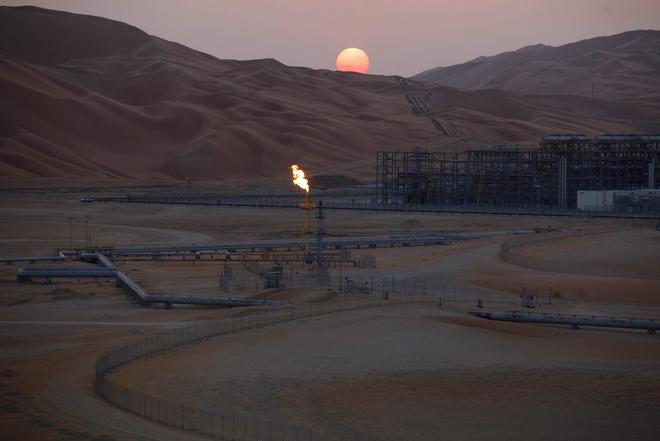
On the supply front, Saudi Aramco lowered its March official selling price for Arab Light crude to Asia to parity with the Dubai/Oman average, marking the fourth consecutive monthly cut and the lowest level in over five years, reflecting Saudi caution amid oversupply concerns. On the same day, Saudi Aramco signed a memorandum of understanding with Microsoft to collaborate on advancing industrial artificial intelligence and digital talent transformation, supporting the kingdom's economic diversification strategy. Meanwhile, OPEC released its monthly report forecasting that global demand for OPEC+ crude would decline by 400,000 barrels per day in the second quarter, projecting a modest supply surplus as the alliance prepares to make critical decisions on whether to restore production.