
Republicans Shield Trump‘s “War Powers” as Congress Faces Constitutional Crisis Over Unauthorized Military Action Against Iran
On April 9, 2026, as a fragile two-week ceasefire took hold and U.S.-Iran talks were set to begin in Islamabad, Republicans in the U.S. House of Representatives blocked a Democratic resolution aimed at ending military operations against Iran, deepening a constitutional crisis over presidential war powers.
UNITED STATES,POLITICS
Global N Press
4/9/20261 min read
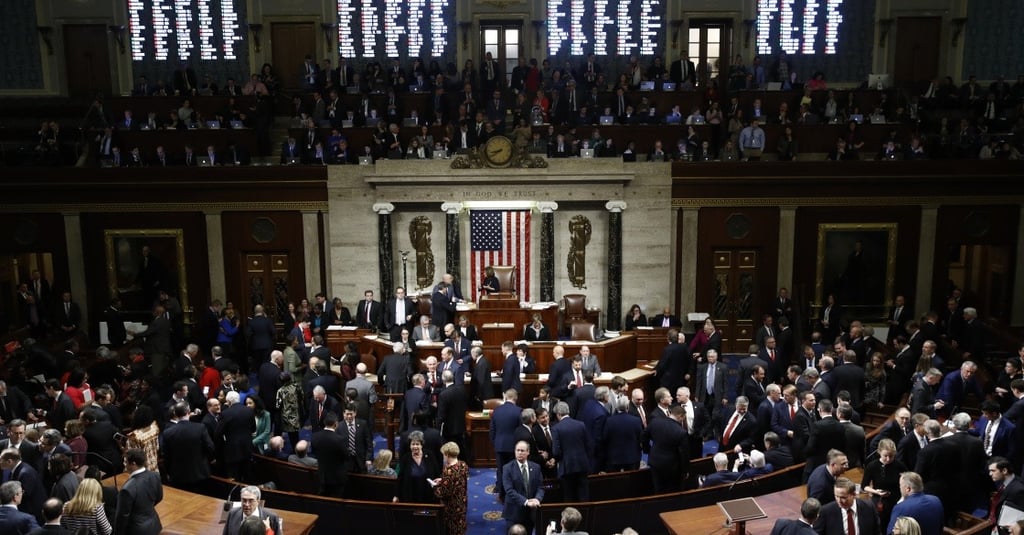

On April 9, 2026, as a fragile two-week ceasefire took hold and U.S.-Iran talks were set to begin in Islamabad, Republicans in the U.S. House of Representatives blocked a Democratic resolution aimed at ending military operations against Iran, deepening a constitutional crisis over presidential war powers. During a brief pro forma session, Republican Representative Chris Smith of New Jersey gaveled the House out before Democrats could offer a unanimous consent motion on the resolution, effectively killing the measure led by Maryland Democratic Representative Glenn Ivey, which would have required President Donald Trump to seek congressional approval for further military action.
Trump launched the military campaign against Iran alongside Israel without explicit congressional authorization, declaring a “swift, decisive, and overwhelming victory” in a national address on April 1. On April 7, he announced a two-week truce; the following day, he declared that all U.S. naval vessels, aircraft, and military personnel “will remain stationed in and around Iran until the agreements reached are fully honored.” On April 10, he further threatened that U.S. warships were rearming and military action would resume if talks failed. Senate Minority Leader Chuck Schumer called the Iran campaign “one of the worst military and foreign policy actions in American history” and said Democrats would push for a fourth war powers resolution next week.
The U.S. Constitution grants Congress the sole power to declare war, yet the president retains substantial discretion for short-term military action—a gray zone at the heart of the ongoing tug-of-war between the executive and legislative branches. With Republicans holding narrow majorities in both chambers, such resolutions face steep legislative odds, and even if passed, Trump could exercise his veto authority, leaving the fundamental constitutional question unresolved.