
Russia Moves to Restrict Diesel and Jet Fuel Exports as Ukrainian Strikes Knock Out Roughly a Quarter of Its Refining Capacity
On May 26, 2026, Russia is finalizing a ban on diesel and jet fuel exports, an extraordinary step after Ukrainian drone strikes knocked out about 25% of its fuel production capacity.
RUSSIA,ECONOMY
Global N Press
5/26/20262 min read
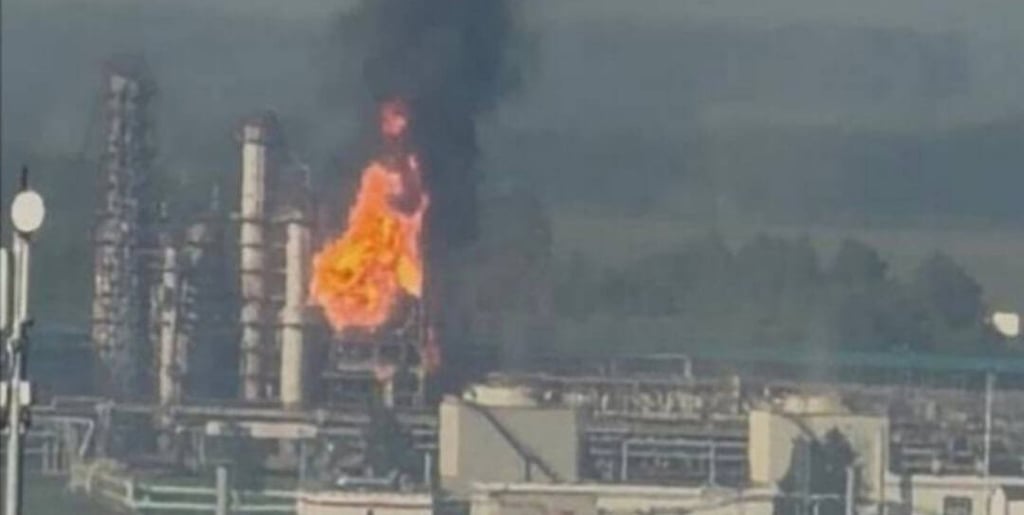
On May 26, 2026, the Russian government was reported by The Moscow Times to be finalizing a ban on diesel and jet fuel exports, an extraordinary measure prompted by a sustained Ukrainian drone campaign that has knocked out approximately 25 percent of the country‘s fuel production capacity. According to Interfax on May 27, multiple oil companies were advised to curb sales of petroleum products to foreign markets following a meeting with Deputy Prime Minister Alexander Novak, and sources indicated that the ban on diesel and jet fuel exports has reached an advanced stage of preparation, though a specific implementation date has not been set. Reuters calculations indicate that by mid-May, Ukrainian drone strikes had disabled Russian refineries with a combined processing capacity of roughly 238,000 tons per day, effectively halting nearly all refining operations in central Russia, including major facilities in Kirishi, Moscow, Nizhny Novgorod, Ryazan, and Yaroslavl.
These plants together had previously accounted for over 30 percent of Russia’s total gasoline output and roughly 25 percent of its diesel fuel. Analytics firm OilX estimates that Russia‘s average refinery runs dropped to 4.69 million barrels per day in April, the lowest level in more than 16 years. Since early May, Russian petroleum output has been placed under strict government oversight, with the Energy Ministry signing binding agreements with eleven oil companies—including Rosneft, Gazprom Neft, Lukoil, and Surgutneftegas—covering production volumes, domestic market deliveries, exports, and exchange sales. Russia is a key global diesel exporter, selling roughly 40 percent of its diesel production to foreign markets, and a formal export ban would add significant upward pressure to global fuel prices.
This impending restriction follows a complete gasoline export ban that Russia enforced starting April 1, 2026, for a period of at least four months, driven by fuel shortages caused by refinery attacks and surging seasonal demand. Ukraine has explicitly framed its strikes on Russian energy assets as a strategy to reduce Moscow’s windfall revenues used to fund its war effort—a strategy that appears to be producing measurable fiscal pain, with Russia‘s Finance Ministry having already slashed its full-year 2026 oil and gas revenue forecast from 10.94 trillion rubles to 8.65 trillion rubles, a 21 percent cut, even before the latest restrictions take effect.