
UAE Officially Exits OPEC on May 1, Ending Nearly 60-Year Membership and Signaling Output Boost
On May 1, 2026, the United Arab Emirates formally withdrew from the Organization of the Petroleum Exporting Countries and the broader OPEC+ alliance, ending its nearly six-decade membership.
MIDDLE EAST,ECONOMY
Global N Press
5/6/20261 min read
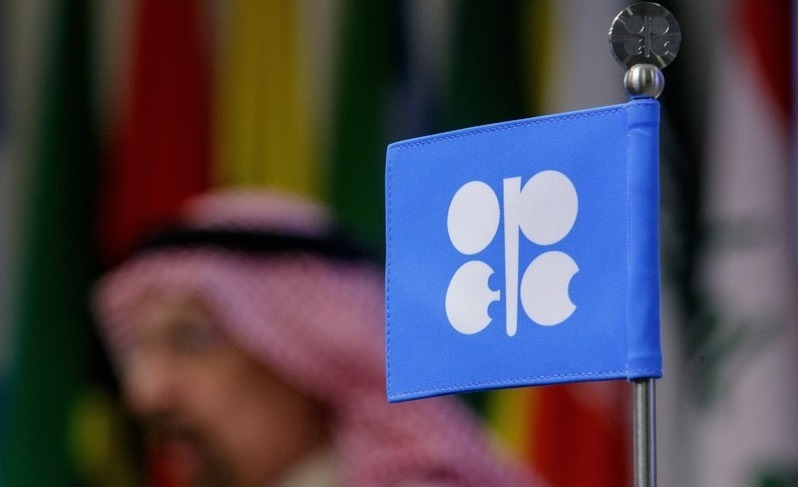

On May 1, 2026, the United Arab Emirates formally withdrew from the Organization of the Petroleum Exporting Countries and the broader OPEC+ alliance, ending its nearly six-decade membership. The decision, announced on April 28, was driven by the UAE's long-term strategy of accelerating hydrocarbon asset monetization to fund national transformation, a goal fundamentally at odds with the production quota system long championed by Saudi Arabia. The exit injected fresh volatility into global energy markets already roiled by the effective closure of the Strait of Hormuz. According to the U.S. Energy Information Administration, Gulf producers including Iraq, Saudi Arabia, and Kuwait collectively shut in approximately 10.5 million barrels per day of crude oil production in April alone.
Freed from OPEC quota constraints, the UAE is expected to unlock an additional 1.5 to 2.0 million barrels per day of spare capacity, exportable via the Fujairah terminal bypassing the Strait of Hormuz. On May 6, OPEC separately confirmed that seven major producers had agreed to a modest collective increase of 188,000 barrels per day for June. However, analysts cited by China Petroleum News cautioned that with the Strait still obstructed, such supply signals cannot translate into actual deliveries in the short term, while over the medium term they will amplify downward pressure on prices. The UAE's exit, they noted, exposes deepening fractures among producers and could trigger emulation by other members, further eroding OPEC's cohesion and global pricing power.