UNCTAD Warns of Major Global Economic Risks as Strait of Hormuz Traffic Plunges 97%
On March 10, 2026, the UN Conference on Trade and Development (UNCTAD) issued a stark report on the economic fallout from the escalating Middle East conflict, revealing that shipping through the Strait of Hormuz, a critical chokepoint for about a quarter of the world's seaborne oil trade, has been severely disrupted, with daily transits plunging by up to 97% since the escalation began on February 28.
UNITED NATIONS,ECONOMY
Global N Press
3/10/20261 min read
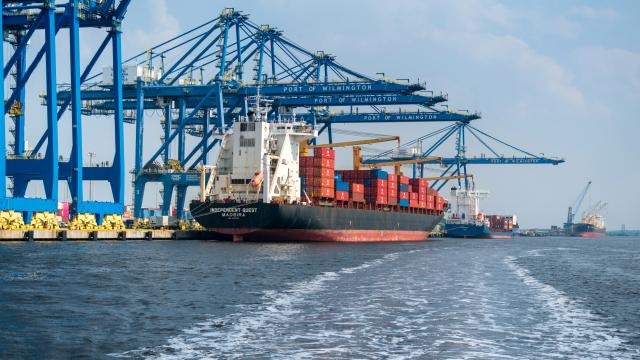

On March 10, 2026, the UN Conference on Trade and Development (UNCTAD) issued a stark report on the economic fallout from the escalating Middle East conflict, revealing that shipping through the Strait of Hormuz, a critical chokepoint for about a quarter of the world's seaborne oil trade, has been severely disrupted, with daily transits plunging by up to 97% since the escalation began on February 28. This disruption has already sent shockwaves through energy markets, with European natural gas benchmark prices surging approximately 74% and Brent crude futures rising about 27% between February 27 and March 9.
UNCTAD warned that resulting ripple effects, including soaring energy, fertilizer, and transport costs, will likely increase food prices and intensify cost-of-living pressures globally, particularly straining public finances and household budgets in vulnerable developing economies already grappling with high debt.