UNCTAD Warns of Severe Global Economic Fallout from Strait of Hormuz Disruption, Guterres Pushes for Renewable Shift
The ongoing conflict in the Middle East has sent shockwaves through the global economy, with the United Nations Conference on Trade and Development (UNCTAD) warning in early March 2026 that the disruption of the Strait of Hormuz is having a “dramatic” impact on global energy markets and trade.
UNITED NATIONS,ECONOMY
Global N Press
3/10/20261 min read

The ongoing conflict in the Middle East has sent shockwaves through the global economy, with the United Nations Conference on Trade and Development (UNCTAD) warning in early March 2026 that the disruption of the Strait of Hormuz is having a “dramatic” impact on global energy markets and trade. In an analysis released on March 10, UNCTAD noted that Brent crude oil prices have surged past $90 per barrel, and the near-halt of shipping through the key passage—which handles about 25% of global oil trade—is driving up costs for fuel, shipping, and insurance.
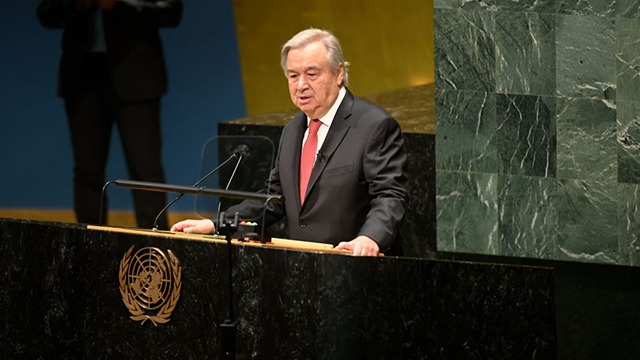
The agency highlighted that rising fertilizer prices threaten global food security, putting immense pressure on developing countries already facing debt distress. UN Secretary-General António Guterres echoed these concerns on March 19, stating that the crisis demonstrates the systemic risk of fossil fuel dependency, where conflict can trigger global economic contagion. Guterres is using the crisis to accelerate calls for a just transition to renewable energy, arguing that unlike oil, sunlight and wind cannot be weaponized or subjected to price volatility, making clean energy the fastest route to economic stability and energy security.