
UNCTAD Warns of Simultaneous Global Growth and Trade Slowdown, Geopolitical Risk Becomes Primary Source of Instability
On June 10, 2026, the UNCTAD report foresees world growth decelerating to 2.6%, with geopolitical hazards now eclipsing trade disagreements as the foremost destabilizing factor.
UNITED NATIONS,ECONOMY
Global N Press
6/10/20261 min read
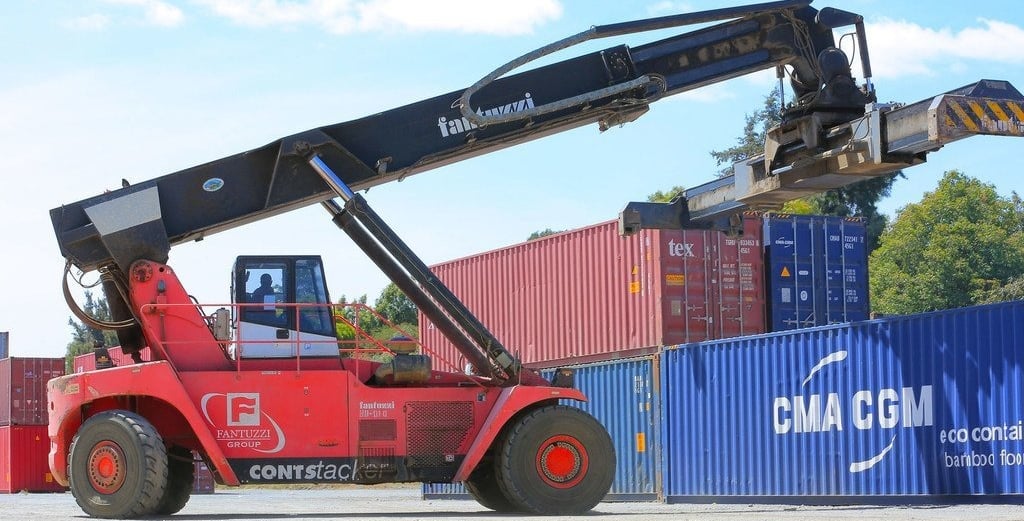

On June 10, 2026, the UN Conference on Trade and Development released its latest World Economic Situation and Prospects report, forecasting global economic growth will slow to 2.6 percent in 2026 amid escalating geopolitical tensions, with geopolitical risk overtaking trade policy disputes as the primary source of global economic instability. Trade volumes are expected to cool significantly following transport disruptions, market volatility and surging shipping costs triggered by the escalation of the Middle East crisis in late February.
UNCTAD warned that the global economy is entering a more fragile period after the initial phase of supply disruptions and inflation, with prolonged uncertainty potentially leading to shortages and broader financial stress. Strong demand for AI-related goods is masking widespread weakness in traditional manufacturing and commodities. Developing economies are facing inflationary pressures from rising fuel, food and fertilizer costs alongside financing strains and external vulnerabilities. UNCTAD highlighted that food security is emerging as a growing financial stability risk. Ongoing disruptions to shipping routes including the Strait of Hormuz continue to drive up global transport and energy costs.