UNCTAD Warns Strait of Hormuz Blockage Could Slash Global Trade Growth to 1.5% as Developing Nations Bear Brunt of Economic Shock
On April 1, 2026, the UN Conference on Trade and Development warned that the Strait of Hormuz remains blocked, with economic shocks radiating worldwide through energy supply cuts, inflation, and financial pressures.
UNITED NATIONS,ECONOMY
Global N Press
4/9/20261 min read
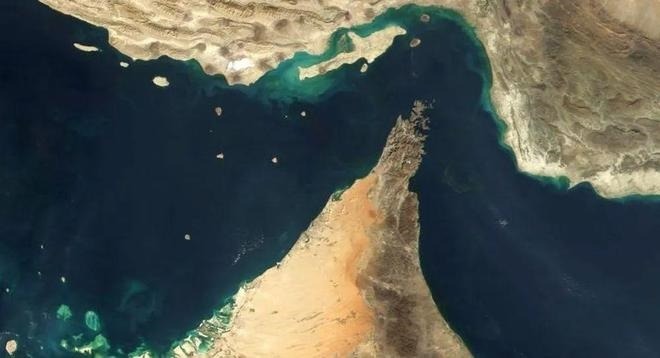

On April 1, 2026, the United Nations Conference on Trade and Development (UNCTAD) issued an urgent assessment report warning that the Strait of Hormuz remains effectively blocked, with its economic impact rapidly spreading across the globe through disrupted energy flows, rising prices, and mounting financial pressures.
According to the report, daily vessel traffic through this critical energy corridor plummeted from approximately 130 ships in February to just six in March, a decline of roughly 95 percent, with transportation activity nearly at a standstill. UNCTAD projected that even under a scenario in which the Middle East conflict does not further escalate, global goods trade growth would slow sharply from about 4.7 percent in 2025 to between 1.5 and 2.5 percent in 2026, while global economic growth would decline from 2.9 percent in 2025 to 2.6 percent.
The report highlighted that the combination of disrupted energy flows, higher prices, slowing trade, and tightening financial conditions collectively constitutes broad-based global economic pressure, with regions heavily dependent on Middle Eastern energy supplies—particularly South Asia and Europe—facing elevated risks. Developing countries are bearing the heaviest burden, with some facing potential currency depreciation and rising borrowing costs as investors withdraw assets. Should the blockage persist, UNCTAD warned of a broader cascading crisis that could adversely affect global development.
Concurrently, the UN’s “Financing for Sustainable Development Report 2026,” released on April 9, cautioned that development financing is tightening amid weakening global cooperation, rising geopolitical tensions, and increasing trade barriers, placing decades of development gains at serious risk. From April 13 to 18, the IMF and World Bank will hold their 2026 Spring Meetings in Washington, where a new World Economic Outlook is expected to be released. IMF Managing Director Kristalina Georgieva noted that the Fund had been prepared to upgrade global growth projections, but the war involving Iran has now darkened the outlook for the world economy.