
U.S. House Passes Resolution Requiring Congressional Approval for Future Military Action Against Iran
The House passed a resolution requiring congressional approval for any new military action against Iran, reflecting the long-running Washington debate over war powers between Congress and the president.
UNITED STATES,POLITICS
Global N Press
6/7/20262 min read
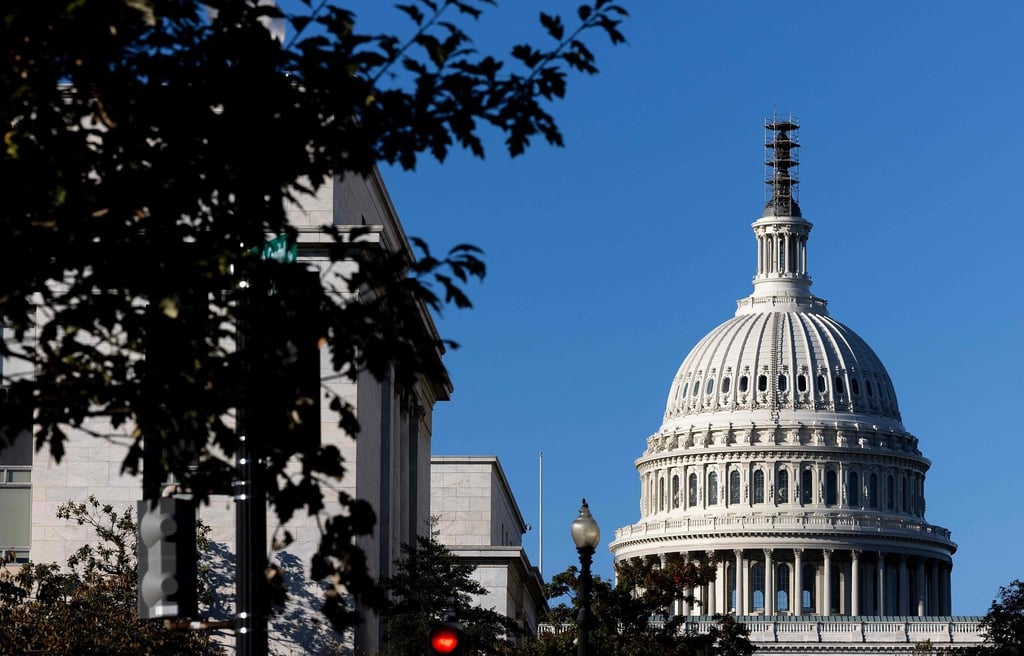
WASHINGTON, June 5, 2026 — The U.S. House of Representatives has approved a resolution requiring congressional authorization before any new U.S. military action against Iran, highlighting a longstanding debate in Washington over the balance of war powers between Congress and the president.
The measure passed the House on June 3 by a vote of 215–208. Four Republicans — Representative Tom Barrett of Michigan, Representative Warren Davidson of Ohio, Representative Brian Fitzpatrick of Pennsylvania and Representative Thomas Massie of Kentucky — joined Democrats in supporting the resolution.
The legislation now moves to the Senate, where its prospects remain uncertain amid partisan divisions and differing views on executive authority in national security matters.
Resolution Seeks to Reinforce Congressional Role
Under the resolution, the president would be prohibited from initiating military action against Iran without prior congressional approval, except in circumstances involving an imminent threat to the United States, U.S. armed forces, or American citizens.
Supporters argue that the measure reaffirms Congress's constitutional authority over decisions related to war and military engagement. They contend that requiring legislative approval for significant military operations would strengthen oversight and ensure broader democratic accountability.
The resolution draws on principles established in the 1973 War Powers Resolution, which was enacted following the Vietnam War to clarify and limit the circumstances under which presidents may deploy U.S. forces without congressional authorization. The law requires presidents to notify Congress within 48 hours of introducing U.S. forces into hostilities and establishes procedures for congressional review of such actions.
Debate Over Presidential War Powers Continues
The House vote reflects a broader and longstanding debate over the scope of presidential authority as commander in chief.
Successive administrations from both major political parties have maintained that presidents possess constitutional authority to take certain military actions without obtaining prior congressional approval, particularly when responding to emerging security threats or protecting U.S. interests abroad.
Critics of this approach argue that Congress has, over time, ceded some of its constitutional responsibilities regarding decisions on the use of military force. Supporters of broader executive authority maintain that presidents must retain sufficient flexibility to respond quickly to rapidly developing international crises.
The issue has gained renewed attention amid continuing tensions between the United States and Iran and ongoing concerns about stability in the Middle East.
Trump Administration Opposes Measure
The Trump administration has expressed opposition to the resolution.
Administration officials have argued that restrictions on presidential military authority could limit the government's ability to respond effectively to threats against U.S. personnel, allies and national security interests. They maintain that the commander in chief must retain the flexibility necessary to address urgent security situations.
Supporters of the House measure counter that congressional approval remains an essential safeguard when considering military action that could lead to a broader or prolonged conflict.
Senate Outlook Remains Uncertain
The resolution's future remains unclear as it awaits consideration in the Senate. Senate Republican leaders have not announced whether the measure will receive a floor vote.
Even if both chambers of Congress were to approve identical legislation, constitutional and legal questions regarding executive authority could continue to generate debate.
Legal scholars note that congressional war powers resolutions often serve not only as legislative instruments but also as statements of congressional intent regarding the separation of powers. Such measures can influence future policy discussions and shape the ongoing debate over the respective roles of Congress and the presidency in matters of war and national security.
The House vote underscores the continuing importance of war powers issues in U.S. governance and reflects broader questions about how military decisions should be authorized within the American constitutional system.