
U.S. House Passes Stopgap Funding Bill, Sends Measure to Senate
The GOP-controlled House passed a CR funding the government through Dec. 4, 2026, sending it to the Senate to avert a shutdown amid FY2027 talks.
UNITED STATES,POLITICS
Global N Press
7/23/20261 min read
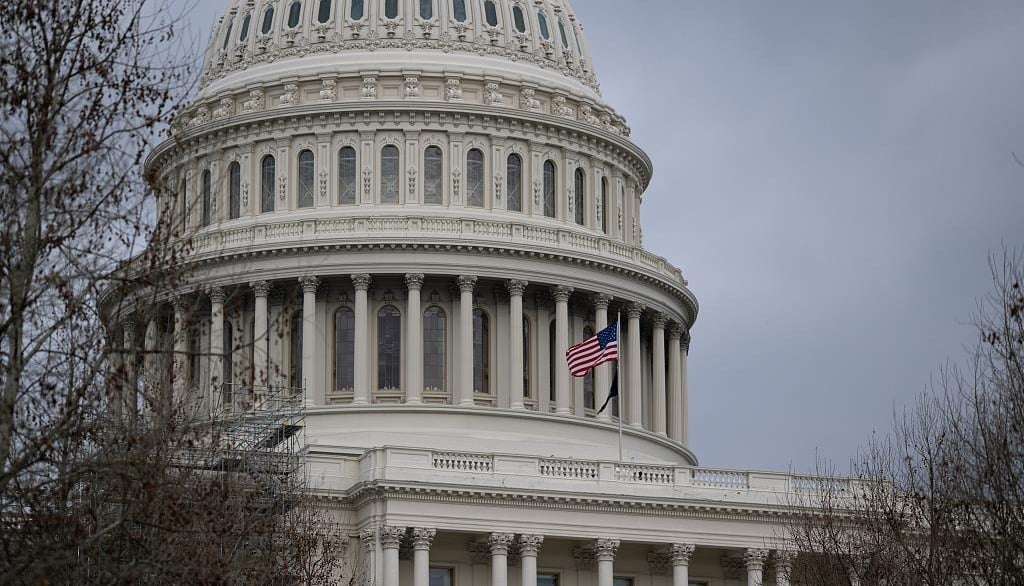
WASHINGTON, July 22, 2026 — The Republican-controlled U.S. House of Representatives on Wednesday passed a continuing resolution (CR) that would fund the federal government through Dec. 4, 2026, sending the measure to the Senate as lawmakers seek to avert a partial government shutdown while negotiations over fiscal year 2027 spending continue.
The legislation would generally extend current discretionary funding levels for most federal agencies and programs until early December, giving Congress additional time to complete annual appropriations bills. The measure must be approved by the Senate before current funding authority expires and then signed by the president to take effect.
Temporary Funding Measure
Continuing resolutions are commonly used when Congress is unable to complete regular appropriations legislation before existing funding expires. Rather than establishing a new federal budget, a CR temporarily extends existing funding authority to keep government operations running while lawmakers continue negotiations on longer-term spending measures.
If enacted before the funding deadline, the legislation would prevent a lapse in appropriations and allow most federal agencies to continue operating through Dec. 4. Failure to approve funding legislation in time could result in a partial government shutdown, leading to furloughs for some federal employees and temporary disruptions to certain government services.
Senate Consideration
The bill now moves to the Senate, where lawmakers will decide whether to approve the House-passed measure. If passed, it will be sent to the president for signature.
Congress has relied repeatedly on continuing resolutions in recent years as lawmakers have struggled to reach agreement on full-year appropriations. Negotiations have frequently focused on discretionary spending levels, defense funding, and domestic policy priorities.
Fiscal Outlook
Federal funding legislation is closely watched by government agencies, financial markets, contractors, and businesses because a government shutdown can temporarily disrupt public services, delay the release of some economic data, and affect procurement and administrative operations.
While the continuing resolution would provide short-term funding stability, it would not resolve the broader budget negotiations surrounding fiscal year 2027 appropriations. Congressional leaders are expected to continue negotiations on full-year spending legislation before the temporary measure expires.