
U.S.-Iran Diplomatic Impasse Deepens as Tehran’s New Proposal Falls Flat and Internal Rift Widens
On April 27, 2026, Iran conveyed a new ceasefire proposal to the United States through Pakistani mediators, seeking the lifting of the U.S. naval blockade and the reopening of the Strait of Hormuz while postponing nuclear negotiations to a later stage.
MIDDLE EAST,POLITICS
Global N Press
4/29/20261 min read
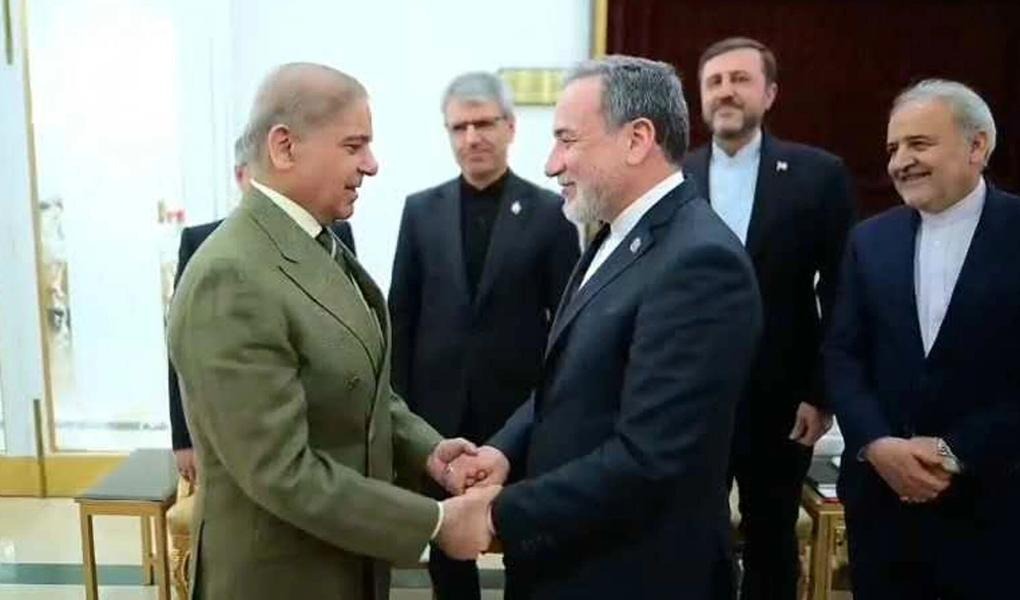

On April 27, 2026, Iran conveyed a new ceasefire proposal to the United States through Pakistani mediators, seeking the lifting of the U.S. naval blockade and the reopening of the Strait of Hormuz while postponing nuclear negotiations to a later stage. President Donald Trump and his national security team reviewed the proposal on April 28, but Washington responded coolly, insisting that Iran’s nuclear program—including the surrender of its enriched uranium stockpile and a halt to enrichment—must be addressed from the outset. White House spokeswoman Olivia Wales stated that the president has made his “red lines” clear to Tehran. The diplomatic deadlock is compounded by deepening infighting within the Iranian leadership.
On April 27, 261 of the 290 Iranian lawmakers signed a statement backing the negotiating team, but key hardline figures from the Paydari faction refused to endorse it, and senior cleric Mahmoud Nabavian publicly called negotiations a “strategic mistake.” On the same day, Iran’s UN Ambassador Amir Saeid Iravani told the UN Security Council that Israel’s “culture of impunity” threatens peace across the Middle East, charging that the United States and Israel launched an “unprovoked war of aggression” against Iran on February 28 and must be held accountable for war crimes. The conflict, triggered by the joint U.S.-Israeli strikes in late February, was paused by a fragile ceasefire on April 8, but follow-up talks in Islamabad collapsed, leaving the two sides locked in a mutual blockade around the Strait of Hormuz with no clear diplomatic off-ramp in sight.