
U.S.-Iran Nuclear Talks Advance to Draft Stage in Doha as Israel Expands Ground Offensive in Lebanon, Straining Fragile Regional Ceasefire
On May 25, 2026, an Iranian delegation led by Parliament Speaker Mohammad Bagher Ghalibaf arrived in Doha, Qatar, for critical negotiations with the United States aimed at reaching a framework agreement to end nearly three months of Middle East conflict.
MIDDLE EAST,POLITICS
Global N Press
5/27/20262 min read
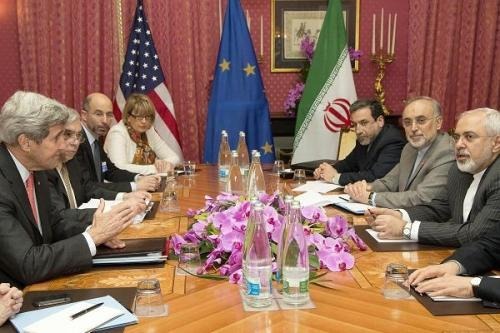
On May 25, 2026, an Iranian delegation led by Parliament Speaker Mohammad Bagher Ghalibaf arrived in Doha, Qatar, for critical negotiations with the United States aimed at reaching a framework agreement to end nearly three months of Middle East conflict. A Qatari Foreign Ministry official confirmed that the delegation included Foreign Minister Abbas Araghchi, with discussions centered on the reopening of the Strait of Hormuz, the disposition of Iran‘s stockpile of highly enriched uranium, and the release of frozen Iranian financial assets held abroad. U.S. officials stated on May 24 that the framework agreement was “95 percent complete,” with negotiators working on precise language, and President Donald Trump indicated he might grant negotiators five to seven days to finalize a deal.
Trump declared on social media on May 25 that talks were “going well” but warned that failure would mean returning “to the front, to a firing situation, but it’ll be bigger than ever.” Secretary of State Marco Rubio confirmed the same day that a “relatively certain” formula had been reached on reopening the Strait. Iran‘s response was notably more cautious: Foreign Ministry spokesman Esmaeil Baghaei stated on May 25 that while consensus existed on most issues, this did not equate to an imminent signing, citing “institutional wavering and inconsistency” in American policymaking. On May 27, the head of Iran’s parliamentary National Security Committee stressed that Iran would “hold firm to its red lines”—namely, uranium enrichment capability and stockpile levels, control over the Strait of Hormuz, and the complete lifting of sanctions.
Concurrently, Iranian media disclosed an “initial informal document” outlining a framework memorandum of understanding, with Iranian officials revealing on May 27 that the draft agreement included a U.S. commitment to a 60-day comprehensive ceasefire across all fronts, specifically in Lebanon. As negotiations reached a decisive moment, Israel dramatically escalated its military campaign against Hezbollah. Prime Minister Benjamin Netanyahu declared in a video statement on May 25 that he had ordered the military to “step on the gas” and intensify strikes, asserting that Israel is “at war with Hezbollah.”
On May 26, the Israeli Defense Forces issued emergency call-up orders for reserve units to expand ground operations beyond the ceasefire “Yellow Line” in Lebanon and launched airstrikes across southern and eastern Lebanon, killing at least 31 people and wounding 40, while Lebanon‘s Health Ministry reported on May 27 that a total of 3,269 people had been killed and 9,840 wounded since hostilities resumed on March 2. Analysts assess that Israel’s escalation serves both as a targeted countermove against Iran‘s insistence on a simultaneous ceasefire across all fronts and as an attempt to maximize the degradation of Hezbollah’s military capabilities during the final window before any agreement takes effect, thereby reshaping facts on the ground to secure greater leverage in subsequent negotiations.