
U.S.-Iran Nuclear Talks End Without Deal; Oil Tops $103 as Banks Flag Hormuz Risks
The failure of U.S.-Iran nuclear negotiations in Islamabad drove Brent crude above $103 a barrel in Monday Asian trade, as markets priced in Hormuz Strait risks, with major banks warning of a potential rise to $120 amid a protracted standoff.
MIDDLE EAST,ECONOMY
Global N Press
4/14/20262 min read
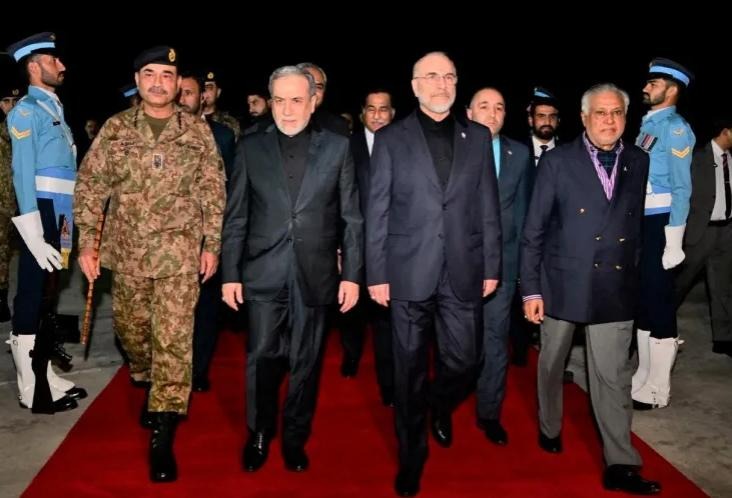

ISLAMABAD / WASHINGTON / NEW YORK, April 13, 2026 — The breakdown of U.S.-Iran nuclear negotiations in Islamabad has pushed global energy prices sharply higher, with Brent crude rising above $103 a barrel in early Asian trading Monday as markets priced in elevated risks to shipping through the Strait of Hormuz. The diplomatic impasse has led major Wall Street banks to warn that a prolonged standoff could drive crude toward $120 per barrel.
Diplomatic Stalemate and Maritime Risks
Talks concluded on April 12 with no agreement, as both sides cited unresolved differences over the scope of Iran's nuclear activities. U.S. President Donald Trump said "some progress was made on minor issues, but no agreement was reached" on core verification provisions.
Following the collapse, the U.S. administration issued updated maritime advisory notices related to Iranian ports. While stopping short of a formal blockade, shipping analysts said the measures could complicate insurance and vessel tracking for tankers operating in the region. The White House also stated it is prepared to respond militarily to any interference with commercial navigation, according to an official readout.
In response, Iran's Islamic Revolutionary Guard Corps reaffirmed its commitment to defending its territorial waters. Navy Commander Shahram Irani described the U.S. measures as "psychological operations" that would not shift the balance of power in the Persian Gulf.
Markets React: Brent Rises More Than 8%
Global financial markets saw immediate volatility during Asian trading hours. Brent crude futures jumped more than 8% to an intraday high of $103.45 per barrel, with West Texas Intermediate (WTI) crude posting a similar gain. European natural gas benchmarks also rose on concerns over potential LNG supply disruptions.
Broader markets shifted toward safe havens. U.S. equity futures pointed to a sharply lower open, and major Asian stock indices closed in negative territory. The U.S. dollar index strengthened amid heightened demand for low-risk assets.
Banks Upgrade Price Targets to $120
Leading investment banks raised their near-term oil price forecasts following the talks' failure.
Goldman Sachs said that if disruptions to Hormuz shipping persist for more than a month, Brent crude would likely test $120 per barrel.
JPMorgan Chase echoed the warning, telling clients the current geopolitical risk premium remains underpriced given the logistical challenges of rerouting Middle Eastern crude flows.
Analysts noted that a full closure of the strait is not the base case, but even a partial pullback in insurance coverage could remove a significant share of seaborne oil supply from the global market.
OPEC+ Output Increase in Doubt
The escalation casts doubt on the effectiveness of OPEC+'s planned production hike scheduled to begin in May. Analysts at Energy Aspects and Rystad Energy said tensions in the Strait of Hormuz could effectively bottleneck spare capacity in Saudi Arabia, the UAE, and Kuwait. As a result, the additional supply may struggle to reach refiners in Europe and Asia, limiting the group's ability to cool prices.
IEA Highlights Energy Security Vulnerabilities
The International Energy Agency (IEA) said the breakdown underscores the fragile state of global energy security. While not declaring a full-blown crisis, the agency warned that sustained instability along key transit routes threatens both oil and LNG markets. The IEA added that member countries retain the option of coordinated strategic petroleum reserve releases, while stressing that unimpeded maritime trade remains essential for market stability.
Global Inflation and Economic Risks Mount
Rising energy prices are adding to global inflation concerns. Higher fuel and feedstock costs are expected to weigh on manufacturing activity and consumer confidence in oil-importing economies across Asia and Europe.
Markets now view the Strait of Hormuz as the key driver of near-term price action. Without a rapid return to negotiations, the oil market faces an extended period of volatility driven by geopolitical risk.