
U.S.-Iran Talks in Islamabad Collapse After 21 Hours; Israel on High Alert as Middle East Stands at Crossroads of War and Peace
From April 11 to 12, 2026, the United States and Iran held their highest-level direct negotiations since the 1979 Islamic Revolution in Islamabad, Pakistan, but the 21-hour marathon talks across three rounds ended without any agreement.
MIDDLE EAST,POLITICS
Global N Press
4/12/20261 min read
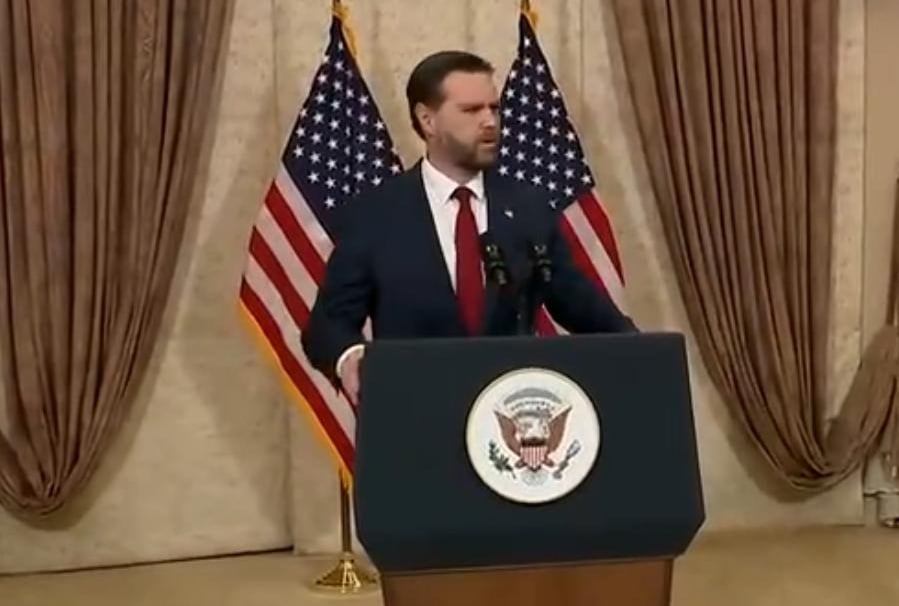

From April 11 to 12, 2026, the United States and Iran held their highest-level direct negotiations since the 1979 Islamic Revolution in Islamabad, Pakistan, but the 21-hour marathon talks across three rounds ended without any agreement. At a press conference on April 12, U.S. Vice President JD Vance stated that while the two sides engaged in multiple rounds of “substantive discussions,” Iran “chose not to accept” the terms laid out by Washington. Vance identified nuclear issues as a key sticking point, noting that the U.S. sought a clear commitment from Iran to renounce nuclear weapons development both now and in the long term.
Iran characterized the talks as taking place in an “atmosphere of mistrust and suspicion,” with disagreements persisting on reopening the Strait of Hormuz, uranium enrichment, and unfreezing Iranian assets. Meanwhile, a senior Israeli defense official disclosed on April 12 that the Israel Defense Forces are on “high alert” and preparing for a potential resumption of military operations against Iran. President Donald Trump warned that the United States is ready to restart military action if progress stalls, while Iran threatened “devastating strikes” on U.S. and Israeli interests should the conflict reignite.
Further complicating the fragile ceasefire announced on April 7, Israeli forces launched their largest assault on Hezbollah targets in Lebanon since the conflict began, prompting Iran to accuse Israel of violating the truce and to again close the Strait of Hormuz. With both sides reinforcing military postures and diplomatic channels remaining open yet fraught, the Middle East stands precariously at the crossroads of war and peace, as Pakistani Deputy Prime Minister Ishaq Dar urged both nations to uphold their ceasefire commitments and continue dialogue.