
US, Japan Lead 18-Nation Pact for $30 Billion in Energy Supplies Amid Market Volatility
A coalition of 18 countries, spearheaded by the United States and Japan, unveiled a $30 billion framework for energy and mineral procurement at the inaugural Indo-Pacific Energy Security Ministerial and Business Forum in Tokyo on Thursday.
ASIA,ECONOMY
Global N Press
3/14/20262 min read

TOKYO, March 13, 2026 – A coalition of 18 countries, spearheaded by the United States and Japan, unveiled a $30 billion framework for energy and mineral procurement at the inaugural Indo-Pacific Energy Security Ministerial and Business Forum in Tokyo on Thursday.
The agreements span thermal coal, crude oil, liquefied natural gas (LNG), and nuclear fuel. They represent the latest effort by resource-dependent economies to diversify their import sources and stabilize supply chains, which have faced significant disruptions due to ongoing geopolitical tensions in the Middle East and other regions.
A $30 Billion Framework for Supply Diversification
Structured as a non-binding framework, the initiative facilitates a mix of government-to-government and commercial deals collectively valued at $30 billion. These agreements aim to secure stable energy imports for participating nations over the coming years. The portfolio includes both traditional fossil fuels and nuclear fuel cycle services, reflecting a dual focus on addressing immediate power generation needs and ensuring long-term grid stability.
The forum, organized by the U.S. Trade and Development Agency (USTDA), gathered ministers and industry leaders from Australia, South Korea, Bangladesh, and 14 other Indo-Pacific nations. The broad attendance underscores a growing consensus among import-reliant economies on the need to mitigate supply chain risks.
Addressing Supply Chain Vulnerabilities
In his closing remarks, U.S. Interior Secretary Doug Burgum positioned the initiative as a response to recent geopolitical shocks. He cited disruptions in global energy supply routes as a key driver for forging closer ties among allied nations.
“Recent conflicts in the Middle East have highlighted the risks associated with over-reliance on concentrated energy sources,” Secretary Burgum stated. "This coalition is focused on providing secure energy alternatives to ensure stability for our partners."
The move reflects a broader global trend among Western nations and Asian importers to recalibrate energy supply chains, reducing exposure to market manipulation and supply cuts by diversifying sources. By fostering intra-alliance trade, participants aim to build a more resilient energy network.
Key Sectors: LNG, Coal, and Nuclear Fuel
While specific commercial contracts are still under negotiation, the $30 billion framework targets several critical sectors:
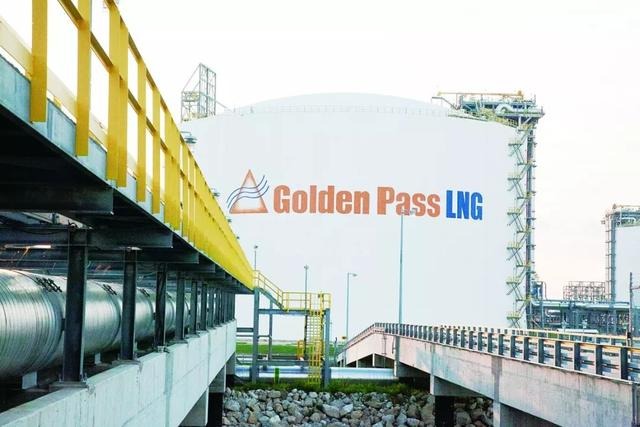
Liquefied Natural Gas (LNG): A significant portion is earmarked for long-term LNG offtake agreements, primarily sourced from U.S. and Australian projects. These deals are designed to provide price stability and predictable supply for Asian allies, shielding them from spot market spikes.
Coal and Oil: The framework includes bolstering thermal coal supply chains to support baseload power generation in developing economies such as Bangladesh and Vietnam. It also seeks to diversify crude oil sources through expanded intra-Pacific trade.
Nuclear Fuel: In a notable development, the agreements facilitate cooperation on nuclear fuel supplies, helping nations like Japan and South Korea secure enriched uranium for their reactor fleets.
Economic Implications: Balancing Security with Inflation
The announcement comes as regional economies navigate the very instability driving these new deals. Ongoing disruptions in the Middle East have contributed to rising global freight and commodity prices, adding pressure to central banks across Asia.
A market analysis from JPMorgan, released alongside the forum, warns that sustained high energy prices could push Southeast Asia’s import-dependent economies toward higher inflation. Countries like Singapore and Malaysia might face pressure to tighten monetary policy sooner than expected to stabilize their currencies and control inflation, even as they secure long-term energy agreements.
This dynamic highlights the complex balancing act for these nations: securing long-term energy sovereignty while managing the immediate inflationary impact of global supply shocks.