US Strikes Iran Near Hormuz for Fifth Day; Tehran Reports 335 Casualties, Rejects Talks
On July 15, 2026, U.S. forces launched a second wave of strikes on Iran, targeting facilities to degrade Iran's ability to control the Strait of Hormuz, per U.S. Central Command.
MIDDLE EAST,POLITICS
Global N Press
7/15/20262 min read
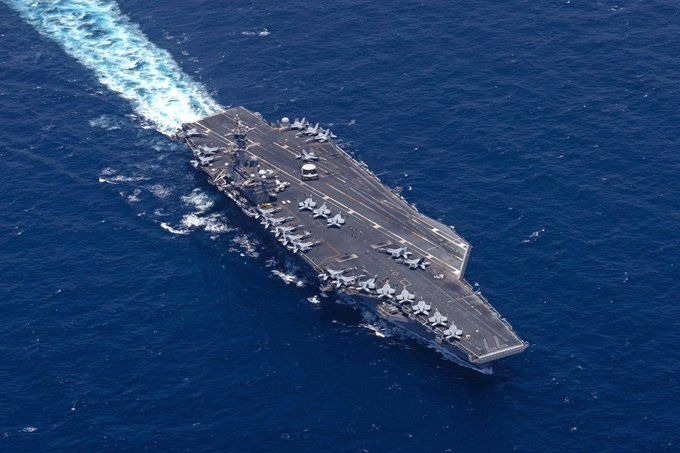
On July 15, 2026, U.S. forces launched their second wave of strikes against Iran that day, with U.S. Central Command stating the operation targeted facilities “aimed at degrading Iran's ability to control the Strait of Hormuz.” Earlier that morning, CENTCOM announced it had completed a “morning strike” on Iran, during which precision-guided munitions were fired at coastal defense systems and cruise missile storage and launch positions on Greater Tunb Island over a 90-minute operation.
CENTCOM said that since resuming a naval blockade against Iranian ports on the afternoon of July 14, U.S. forces had forced two merchant vessels attempting to breach the blockade to alter course. On July 14, U.S. forces had completed a seven-hour campaign against Iran, striking dozens of military targets near the Strait of Hormuz and along Iran's coastal areas. Since July 11, U.S. forces have conducted military strikes against Iran for five consecutive days. Iranian forces have continued to retaliate against U.S. military bases in the region.
An Iranian Health Ministry official said on social media on July 15 that as of 12:00 that day, U.S. strikes against Iran in July had killed 35 people and wounded more than 300. Iranian authorities stated that U.S. attacks against the country in July have so far caused a total of 335 casualties. Iran's Foreign Ministry spokesperson said Tehran currently has no plans for negotiations. U.S. President Donald Trump said in an interview on July 14 that he would strike Iran's energy infrastructure and bridges until Tehran returns to the negotiating table, adding that he would not rule out deploying ground forces to Iran.
The previous day, Trump said on a program that the United States “could soon” strike the “Gohar” underground nuclear facility near Iran's Natanz uranium enrichment site. Meanwhile, UN Secretary-General António Guterres issued a statement on July 15 expressing grave concern over the continued escalation of military confrontation in the Middle East, calling on all parties to immediately take measures to de-escalate the situation and return to dialogue and diplomacy, while reiterating his call for the full restoration of international navigation rights and freedom of navigation in the Strait of Hormuz and its surrounding waters.